How Much Does a Renovation Cost in Japan? (2026 Guide)
A practical guide to renovation costs in Japan, including cosmetic renovations, skeleton renovations, kitchen and bathroom budgets, and lessons learned from renovating homes in Tokyo.

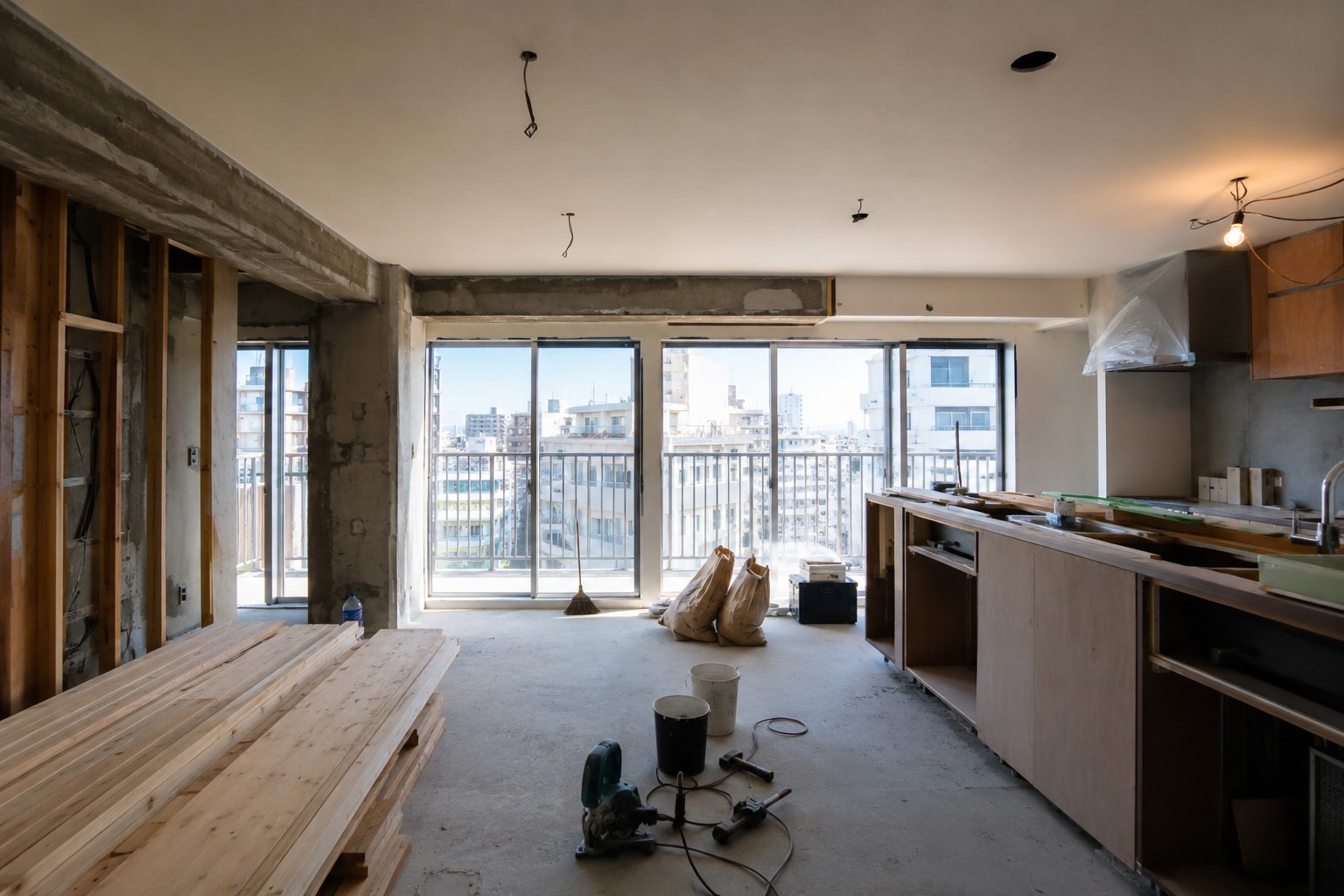
Thinking about buying and renovating a home in Japan? Here's what renovations really cost in 2026, where you should spend your money, and how to avoid expensive mistakes.
Renovation has become one of the biggest trends in Japanese real estate over the past few years.
As land values continue to rise in central Tokyo and construction costs become increasingly expensive, more developers are choosing to renovate older apartments instead of building new ones. Buying an older property, carrying out a high-quality renovation, and reselling it has become an increasingly common business model.
For buyers, this creates an opportunity.
Rather than paying a premium for a newly built apartment, you can often purchase an older home in a better location and renovate it exactly the way you want. Especially if you are a cash-buyer.
At JAPANDI, we've renovated everything from apartments to traditional Japanese houses, and one thing we've learned is this:
A successful renovation isn't about spending the most money, it's about spending your budget wisely.
Cosmetic vs Skeleton Renovation
Before looking at costs, it's important to understand the two most common renovation approaches.
Cosmetic Renovation
A cosmetic renovation refreshes an already modern apartment without changing the overall layout.
Typical work includes:
- Wallpaper
- Flooring
- Lighting
- Kitchen replacement
- Bathroom replacement
- Doors
- Fixtures
- Paint
This is common for apartments built after around 2000, where the plumbing, electrical systems and layout are already in good condition.
(Many Japanese landlords also changes wallpaper EVERY TIME a tenant moves out - and while this techincally is a cosmetic renovation, it is usually not specifically expensive, about 3000 yen per m2.)
Skeleton Renovation
A skeleton renovation removes everything inside the apartment until only the concrete structure remains.
Typical work includes:
- New floor plan
- New electrical wiring
- New plumbing
- New kitchen
- New bathroom
- New flooring
- New ceilings
- New doors
- New finishes
For apartments built between the 1960s and 1990s, this is often the best option, allowing you to completely redesign the space.
We Won't Cover Akiyas Here
Traditional Japanese houses deserve their own article.
Unlike apartments, houses can hide expensive surprises such as:
- Foundation issues
- Roof repairs
- Water damage
- Structural movement
- Termites
Unless you're willing to do much of the work yourself, these costs are often difficult to estimate before renovation begins.
Renovation Costs in Japan
As a rough guide, these are the budgets I would use when planning a renovation in Tokyo.
Renovation TypeBudgetCosmetic renovation¥100,000–150,000 / m²Skeleton renovation¥200,000–300,000 / m²High-end renovation¥300,000+ / m² (the sky is the limit)
Prices vary depending on the renovation company, the quality of materials, and how involved you are in the project.
One thing many buyers don't realize is that renovation companies operate very differently.
Some companies are happy for you to be involved throughout the project—visiting suppliers, choosing materials, making design decisions, and even visiting the construction site during the renovation.
Others offer a complete turnkey service. Once the design has been approved, they manage everything internally and may not even allow clients to visit the site until the project is finished.
Neither approach is necessarily wrong, but it's something you should understand before choosing a renovation company.
In my experience, the more time you're willing to invest in sourcing materials, making design decisions and managing the project, the more money you can save. It also gives you the opportunity to create a far more personal and unique home.
Typical Apartment Budgets
50 m² Apartment
Cosmetic renovation
¥3–7.5 million
Skeleton renovation
¥10–15 million
80 m² Apartment
Cosmetic renovation
¥5–12 million
Skeleton renovation
¥16–25 million
100 m² Apartment
Cosmetic renovation
¥6–15 million
Skeleton renovation
¥20–30 million
Luxury finishes, imported materials and custom joinery can increase these figures considerably.
Kitchen Costs
People are often surprised by how affordable Japanese kitchens can be.
It's possible to purchase showroom kitchens at a significant discount, and even brand-new stainless steel kitchens with premium appliances, including a Miele dishwasher, can sometimes be purchased for around ¥1.5 million.
However, this usually doesn't include:
- Installation
- Plumbing
- Electrical work
- Tiling
- Countertops
- Finishing work
Realistically, I would budget around ¥2-4 million for a complete high-end kitchen replacement.
Bathrooms
Bathrooms are one place where I rarely recommend cutting costs.
A well-designed bathroom should last decades, and replacing one later is both disruptive and expensive.
If your budget allows, spend the extra money on quality waterproofing, fixtures and materials, the average Japanese bathroom is a plastic box - a practical unit bath.
Spend Money on the Details
Many first-time renovators put most of their budget into the kitchen, the heart of the home
Personally, I'd spend my money here too as well as on things you'll notice every single day:
- Quality flooring
- Natural wood
- Better lighting
- Beautiful light switches
- Door hardware
- Solid skirting boards
- Thoughtful detailing
These small details often have a bigger impact on how a home feels than expensive appliances alone.
Houses vs Apartments
In many ways, houses are actually easier to renovate.
Contractors usually have easier access for deliveries and demolition, particularly if there's space to park a vehicle nearby.
Apartments often involve:
- Elevator restrictions
- Building management approval
- Noise regulations
- Limited working hours
- Carrying materials through common areas
These restrictions all increase labour costs.
Don't Forget Demolition & Waste Disposal
One hidden cost many buyers underestimate is demolition and waste removal.
Construction waste in Tokyo is expensive to dispose of properly.
My recommendation is simple:
Let your demolition contractor handle it.
Trying to save money by disposing of construction waste yourself usually isn't worth the time or effort.
One of the easiest ways to explain renovation costs is to compare two of my first own projects.
Sangenjaya House
I purchased Sangenjaya House almost five years ago, and the renovation cost approximately ¥8 million.
At the time, I simply didn't have the budget to hire a premium renovation company, nor did I have the network of craftsmen and suppliers that I have today.
What I did have was time.
During COVID, I spent almost an entire year designing and building the house together with close friends and skilled carpenters. I paid the professionals for the work that required experience, but I became the designer, project manager, and often another pair of hands on site throughout the renovation.
Looking back, that year taught me more about renovation than anything else ever could.
https://www.japandihouses.com/houses/sangenjaya-house
Sangenjaya Villa
The renovation of Sangenjaya Villa was a completely different experience.
By then, I had far less time but significantly more experience, a trusted network of craftsmen, and a much clearer vision of the quality I wanted to achieve.
We invested in details that truly elevate a home:
- Handmade tiles from Tajimi throughout the bathroom area
- Intricate Japanese joinery visible throughout the house
- High-quality natural wood
- Carefully selected finishes and fittings
- Premium lighting and detailing
The renovation cost was just under ¥15 million.
Even so, I believe a traditional renovation company would likely have charged close to double for a project of similar quality.
The difference came from sourcing many materials ourselves, working directly with our team of craftsmen, and being deeply involved in almost every decision throughout the renovation.
https://www.japandihouses.com/houses/sangenjaya-villa
The Biggest Lesson I've Learned
After renovating several homes in Japan, I've realised that the best renovations don't necessarily belong to the people with the biggest budgets.
They belong to the people who care the most.
If you're willing to invest your own time into sourcing materials, asking questions, visiting suppliers, and working closely with your renovation team, you'll often end up with a better home while spending less money.
That's exactly how we approach every renovation at JAPANDI.
Ready to Buy & Renovate a Home in Tokyo?
Buying the right property is just as important as renovating it well.
At JAPANDI Real Estate, we help clients find homes with renovation potential, and guide them through every step of the buying process.
Whether you're searching for a family home, an investment property, or your dream apartment in Tokyo, we'd love to help.
Reach out to JAPANDI Real Estate today and let us help you buy a home in Tokyo, and make it yours.
Buy a Home. Make It Yours.
Contact@Japandirealty.com
Anton Wormann is a Swedish entrepreneur, real estate investor, and founder of JAPANDI. Based in Tokyo since 2018, he has specialized in investing in and renovating undervalued Japanese properties since 2019, helping international buyers navigate Japan's real estate market.
Related Questions
How much does it cost to renovate a house in Japan?
It varies widely — cost depends on the condition of the house, its structure, and the level of finish you're aiming for. One thing we've learned is that the cheapest house is rarely the cheapest project. Working with skilled, trusted Japanese teams makes a significant difference to both cost and outcome.
How long does a renovation take in Japan?
Most renovations take between three and eight months, depending on their size and complexity.
Do I need permits for a renovation in Japan?
It depends on the scope. Many interior renovations don't require permits, while larger structural work does. Since April 1, 2025, new regulations have made large-scale renovations more complex, though they remain possible with the right permits and planning. We help clients understand what's required for their project.

Neighborhood Guide: The Best Places to Live in Tokyo
Choosing where to live in Tokyo often starts with choosing a ward. I compared five wards popular with foreigners: what each one is like, and what it actually costs to rent there in 2026.
Neighborhood Guide: The Best Places to Live in Tokyo

Tokyo Line by Line: Where to Live on the Toyoko
Choosing where to live in Tokyo typically starts with choosing a train line and a station. I spent a day visiting six stops on the Toyoko Line to see what each neighborhood is really like, and what it costs.
Tokyo Line by Line: Where to Live on the Toyoko
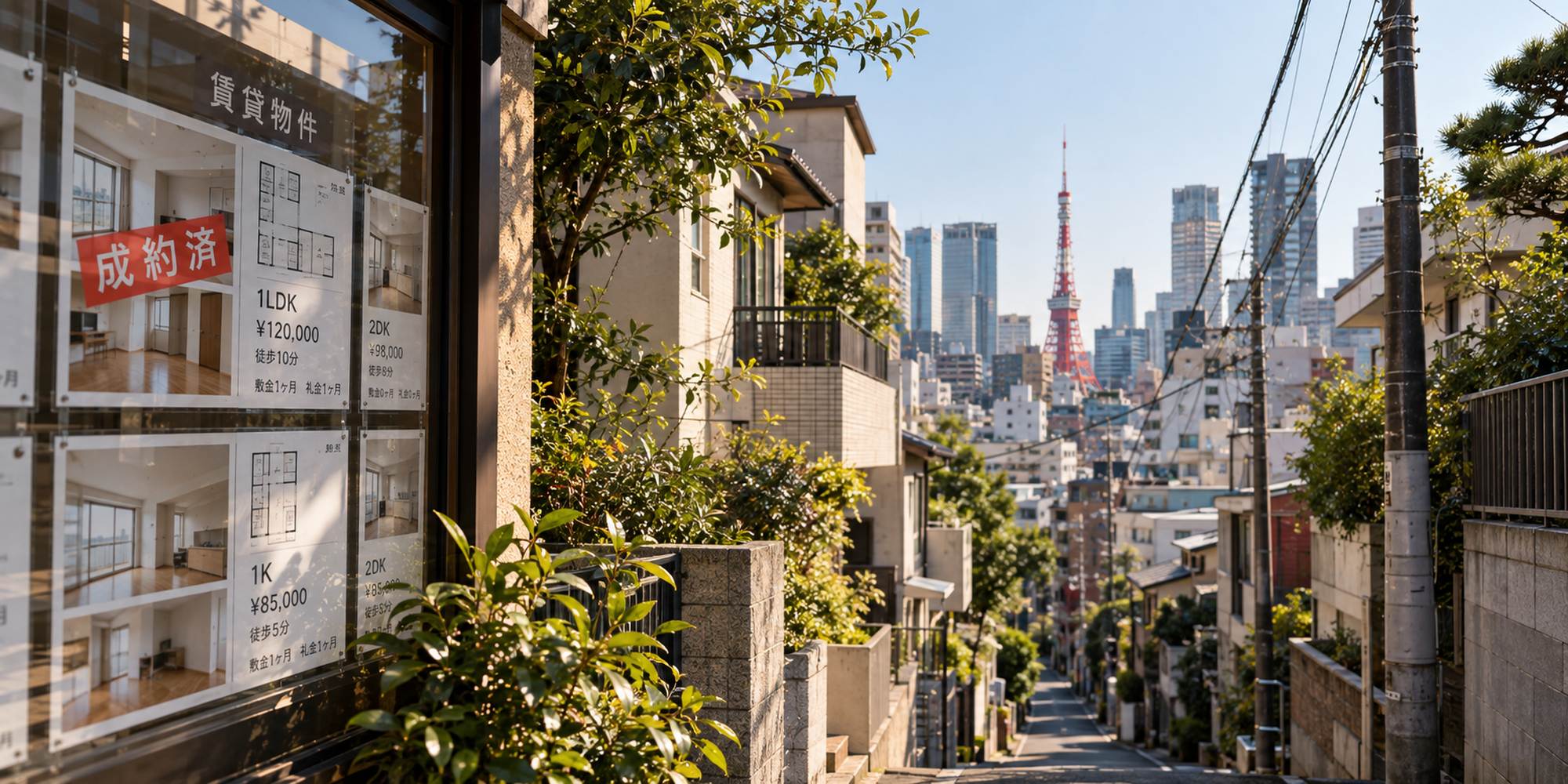
Why Renting in Tokyo is So Hard for Foreigners (And What to Do About It)
Fees, paperwork, guarantors, and apartments that vanish within days. What I learned trying to rent in Tokyo as a foreigner and working at a real estate company, and what to do when the standard route doesn't work.
Why Renting in Tokyo is So Hard for Foreigners (And What to Do About It)
Ready to find your home in Tokyo?
Buying and renovating a home in Tokyo can feel overwhelming from the outside — especially for international clients. We make it clear, considered, and design-led from the very first conversation.
- 01.One team guiding you through every step
- 02.A clear path from first search to final result
- 03.Homes chosen for potential, not just listings
- 04.Scandinavian design meets Japanese craftsmanship
- 05.A trusted network of architects, designers, and builders