Why an Older Home in Tokyo Might Be the Smarter Buy
Older homes are gaining popularity in Tokyo, Japan
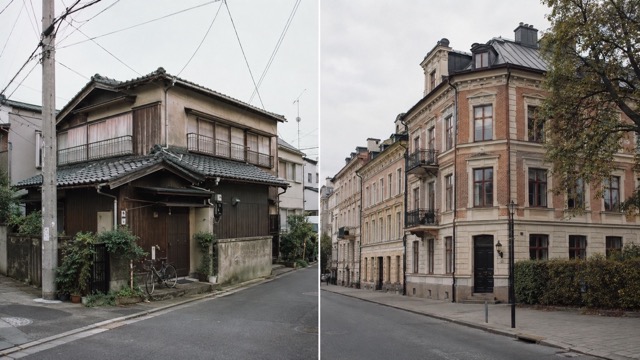
If you want to live in one of the world's most desirable neighborhoods—whether that's Notting Hill or Mayfair in London, the West Village or SoHo in New York, or Östermalm in Stockholm—there's a good chance you'll be living in a home that's well over 100 years old. In these cities, location almost always comes first. The age of the building is often secondary (or sometimes 4th or 5th...).
Tokyo is different.
One of the things that has surprised me most since moving to Japan is how many people prioritize buying a newer home over buying in the best possible location. Whenever I talk about this on Japanese television or in the media, many people are surprised when I say that, in cities like London, New York, and Stockholm, owning an older home in a prime neighborhood is often considered more desirable than owning a brand-new home in a less attractive location.
The Hidden Cost of Buying New
A new house is undoubtedly convenient. Everything works, maintenance is minimal, and you can move in immediately. But there is one downside: renovating a nearly new home always feels like you're undoing something that someone just built.
Personally, I've found that buying an older property and transforming it into something exceptional is one of the most rewarding parts of real estate. Watching an outdated house become a beautiful home is incredibly satisfying. Of course, it comes with risks. Renovations can uncover unexpected issues, budgets can grow, and good planning is essential.
Finding the Sweet Spot: Age vs. Location
What I've learned through Japandi Real Estate, after helping clients buy and renovate homes across central Tokyo, is that the best opportunities often aren't the oldest houses—or the newest ones.
The sweet spot for detached homes is typically properties built around 15 to 30 years ago, in exceptional neighborhoods. These properties usually have solid construction, practical layouts, and enough age that thoughtful renovations can dramatically improve both the living experience and the property's value. You're not paying the premium of a brand-new home, but you're also avoiding many of the structural uncertainties that can come with much older buildings.
The same idea applies to apartments. In fact, some of my favorite apartments in Tokyo were built in the 1960s and 1970s. If the building has been well maintained, has a financially healthy management association, and strong long-term repair reserves, these vintage apartments can offer generous layouts, quality construction, unique character, and locations that would be difficult to afford in a newly built building.
Why the Best Properties Are Invisible
Another reason this strategy has become increasingly important is simple: supply in central Tokyo remains limited while prices continue to rise. Prime neighborhoods rarely have an abundance of homes for sale, and if you're only searching the public portals, some of the city's most desirable areas can appear almost empty.
In reality, many of the best opportunities are sold quietly through local broker networks, introduced before they are widely marketed, or never make it onto the major real estate websites at all. Without access to these local deals, it's easy to assume there is very little available when, in fact, the right property may simply not be visible.
Local Knowledge Is the Real Advantage
This is where local knowledge becomes one of the biggest competitive advantages. Knowing which streets are improving, understanding which older homes have renovation potential, recognizing which apartment buildings have strong financials, and having access to off-market or early opportunities can make all the difference in a market where demand consistently exceeds supply.
To me, that's where Tokyo becomes truly exciting. Rather than chasing the newest house, I'd rather own a home in a neighborhood I'll love for decades and invest in making it my own. Great locations are incredibly difficult to recreate. Great interiors can always be redesigned.
I was recently featured at NewsPicks Japan, one of Japan's leading media for finance, lifestyle, and economics. Together with other experts, the line that stayed with the hosts was: "Building age does NOT matter."
At Japandi Real Estate, we don't just help clients buy homes—we help them identify where value can be created. Our goal isn't simply to find a property; it's to uncover opportunities that most buyers never get to see. In a city where inventory remains tight and values continue to rise, buying the right home in the right location has never mattered more.
Best,
Anton
Anton Wormann is a Swedish entrepreneur, real estate investor, and founder of JAPANDI. Based in Tokyo since 2018, he has specialized in investing in and renovating undervalued Japanese properties since 2019, helping international buyers navigate Japan's real estate market.
Related Questions
Can I renovate any house in Japan?
Most houses can be renovated, but some have legal or structural limitations. We always recommend evaluating renovation potential before you purchase, not after.

Neighborhood Guide: The Best Places to Live in Tokyo
Choosing where to live in Tokyo often starts with choosing a ward. I compared five wards popular with foreigners: what each one is like, and what it actually costs to rent there in 2026.
Neighborhood Guide: The Best Places to Live in Tokyo

Tokyo Line by Line: Where to Live on the Toyoko
Choosing where to live in Tokyo typically starts with choosing a train line and a station. I spent a day visiting six stops on the Toyoko Line to see what each neighborhood is really like, and what it costs.
Tokyo Line by Line: Where to Live on the Toyoko
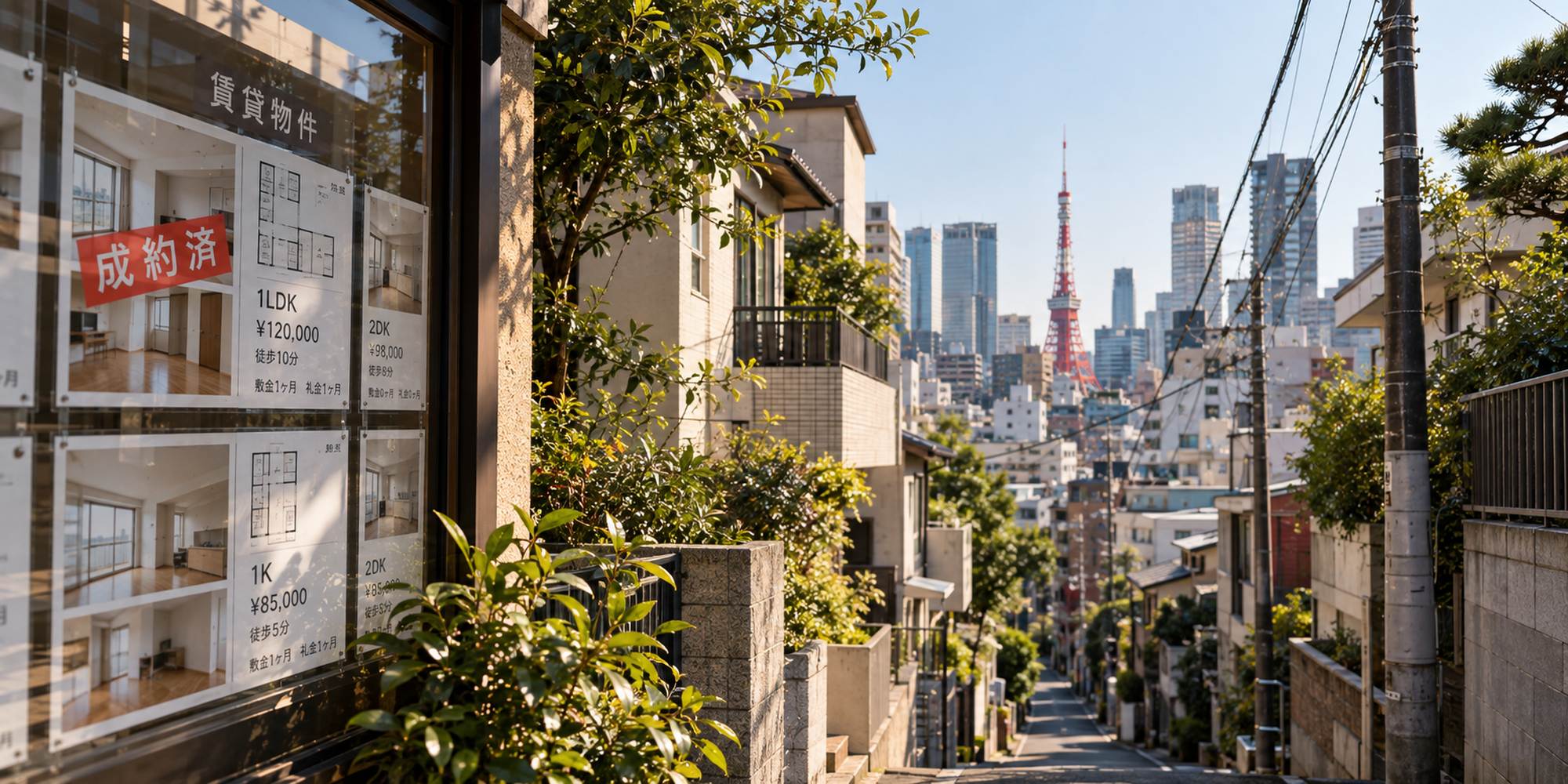
Why Renting in Tokyo is So Hard for Foreigners (And What to Do About It)
Fees, paperwork, guarantors, and apartments that vanish within days. What I learned trying to rent in Tokyo as a foreigner and working at a real estate company, and what to do when the standard route doesn't work.
Why Renting in Tokyo is So Hard for Foreigners (And What to Do About It)
Ready to find your home in Tokyo?
Buying and renovating a home in Tokyo can feel overwhelming from the outside — especially for international clients. We make it clear, considered, and design-led from the very first conversation.
- 01.One team guiding you through every step
- 02.A clear path from first search to final result
- 03.Homes chosen for potential, not just listings
- 04.Scandinavian design meets Japanese craftsmanship
- 05.A trusted network of architects, designers, and builders