Tokyo's Property Boom Arrived Late
Market Update - Why Tokyo prices are increasing
.webp)
For years, Tokyo was the exception.
While cities like London, Sydney, Vancouver, Stockholm, and New York experienced dramatic increases in housing prices, Tokyo remained surprisingly stable. Many investors looked at Japan's shrinking population, decades of low inflation, and near-zero interest rates and concluded that Japanese real estate simply wasn't a great investment.
But that narrative is beginning to change, not only among lifestyle buyers.
According to the latest data from Tokyo Kantei, the average price of a 70-square-meter resale condominium in Tokyo's 23 wards reached ¥128.49 million in May 2026. That's an increase of 27.4% compared to the same month last year and marks the 25th consecutive month of price growth.
So what's driving the trend?
First, Tokyo continues to attract people from across Japan and around the world. While Japan's overall population is declining, Tokyo's population continues to grow as people move to the capital in search of jobs, education, and opportunity.
Second, the weak yen has made Japanese assets increasingly attractive to foreign buyers. Compared to many global cities, Tokyo still offers relatively good value, particularly considering its safety, infrastructure, and quality of life.
Third, construction costs have risen significantly. Labor shortages, material costs, and inflation have pushed the cost of building new homes higher, which in turn supports prices in the resale market.
And finally, inflation has returned to Japan after decades of stagnation. For the first time in a generation, many buyers are beginning to consider real estate not only as a place to live, but also as a store of value.
Does this mean Tokyo is expensive?
That depends on your perspective.
Compared to many major global cities, Tokyo remains relatively affordable. However, compared to where it stood five or ten years ago, the market has changed dramatically.
The rest of the world experienced its housing boom years ago.
Tokyo may simply be arriving a decade later.
The question now is whether this is the beginning of a longer-term shift—or merely the next chapter in Japan's uniquely cyclical property market.
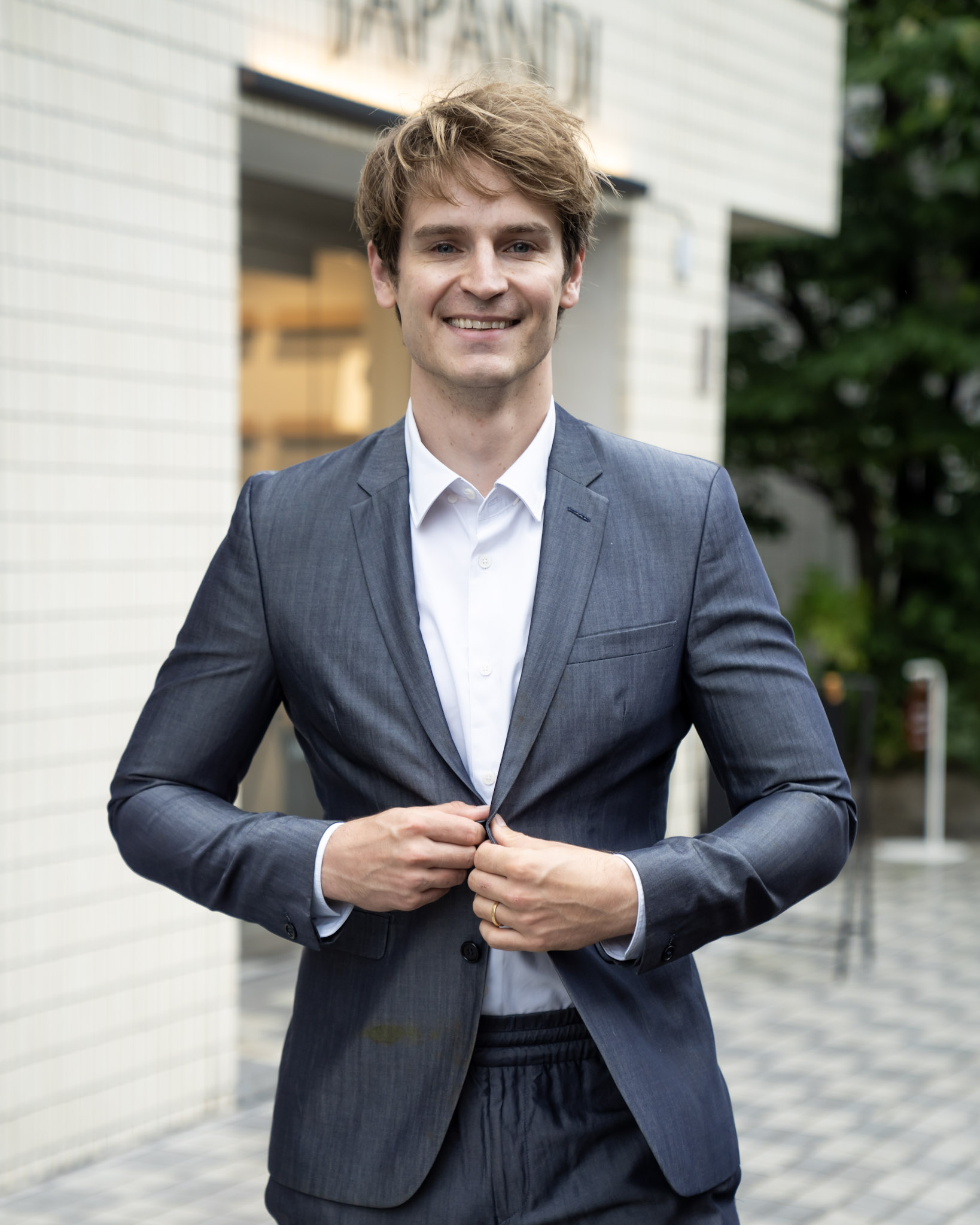
Anton Wormann is a Swedish entrepreneur, real estate investor, and founder of JAPANDI. Based in Tokyo since 2018, he has specialized in investing in and renovating undervalued Japanese properties since 2019, helping international buyers navigate Japan's real estate market.
Related Questions
Is Tokyo real estate still going up?
No one can predict the future, but many central Tokyo neighborhoods have seen steady price growth in recent years. Limited supply, redevelopment, and continued demand have all contributed to rising values.
Which Tokyo neighborhoods offer the best value?
This changes over time. We generally look for neighborhoods with strong transport links, good amenities, and renovation potential. As a rule of thumb, homes within a 10-minute walk of a station tend to cost more than homes 12 minutes away.

Neighborhood Guide: The Best Places to Live in Tokyo
Choosing where to live in Tokyo often starts with choosing a ward. I compared five wards popular with foreigners: what each one is like, and what it actually costs to rent there in 2026.
Neighborhood Guide: The Best Places to Live in Tokyo

Tokyo Line by Line: Where to Live on the Toyoko
Choosing where to live in Tokyo typically starts with choosing a train line and a station. I spent a day visiting six stops on the Toyoko Line to see what each neighborhood is really like, and what it costs.
Tokyo Line by Line: Where to Live on the Toyoko
Why Renting in Tokyo is So Hard for Foreigners (And What to Do About It)
Fees, paperwork, guarantors, and apartments that vanish within days. What I learned trying to rent in Tokyo as a foreigner and working at a real estate company, and what to do when the standard route doesn't work.
Why Renting in Tokyo is So Hard for Foreigners (And What to Do About It)
Ready to find your home in Tokyo?
Buying and renovating a home in Tokyo can feel overwhelming from the outside — especially for international clients. We make it clear, considered, and design-led from the very first conversation.
- 01.One team guiding you through every step
- 02.A clear path from first search to final result
- 03.Homes chosen for potential, not just listings
- 04.Scandinavian design meets Japanese craftsmanship
- 05.A trusted network of architects, designers, and builders