Why a Tokyo Condo Cost More Than the House Next Door
Why would an apartment be worth more than a detached house? Explore the unique factors driving Tokyo's real estate market and why it often surprises foreign buyers.
.webp)
One of the biggest surprises for foreigners looking at real estate in Tokyo is this:
A neighboring apartment can be worth more than the house sitting right next to it.
Coming from Sweden, this felt completely backwards to me.
In most Western countries, detached houses are generally considered the premium product. More land, more privacy, a garden, perhaps a garage. Apartments are often viewed as the more affordable alternative.
Tokyo doesn't always work that way.
In fact, many buyers are surprised to discover that a condominium can easily cost more than a detached house located on the same street.
Houses Are Getting More Expensive
According to the latest data from Tokyo Kantei, the average asking price for a newly built small detached house in Tokyo reached ¥83.14 million (approximately $560,000 USD) in May 2026.
Within Tokyo's 23 wards, the average price reached ¥97.54 million (approximately $660,000 USD), the highest level recorded since the survey began. The average price increased more than 23% compared to the same month last year.
Those numbers would have seemed difficult to imagine just a few years ago.
When I moved to Japan in 2019, very few people were talking about a Tokyo property boom.
Today, the conversation feels very different.
But even as house prices rise, condominiums in many parts of Tokyo remain even more expensive.
Why?
The answer is more complicated than location alone.
Many foreigners assume that if a condo is more expensive than a house, it must simply be closer to the station.
Sometimes that's true.
But often it isn't.
You can occasionally find situations where a condominium building and a detached house sit on neighboring plots, yet the apartment still commands a higher price.
Convenience Is King
One thing that becomes clear after spending time in Tokyo is how highly convenience is valued.
A condominium may offer:
- An elevator
- Package lockers
- Security systems
- Concierge services
- Professional management
- Garbage disposal facilities
- Better earthquake resistance
- Lower maintenance responsibilities
For many buyers, these features have significant value.
A detached house may provide more space, but it also comes with more responsibility.
You are responsible for the roof, exterior walls, drainage, repairs, and long-term maintenance.
Many Japanese buyers are willing to pay a premium to avoid those concerns.
Newer Buildings Command Premiums
Age also plays a major role.
A newly completed condominium tower may be competing against a detached house built twenty or thirty years ago.
Even if the house sits on valuable land, buyers often place a premium on:
- Modern insulation
- New earthquake standards
- Updated layouts
- Energy efficiency
- Building amenities
As a result, the apartment may attract stronger demand despite offering less space.
Road Access Matters More Than Most Foreigners Realize
Another factor that surprises foreign buyers is road access.
In Japan, not all land is created equal.
A house located on a narrow private road, a flag-shaped lot, or a property with difficult vehicle access may trade at a discount.
A condominium buyer rarely worries about these issues.
As a result, a condo can sometimes outperform a neighboring house simply because the ownership structure eliminates many of the practical concerns associated with land.
Scarcity Plays a Role
Tokyo's best condominiums are also incredibly difficult to replicate.
A luxury apartment with exceptional views, direct station access, professional management, and premium amenities may be impossible to recreate today.
The land has already been developed.
The building already exists.
In many cases, buyers are competing not just for square meters, but for a lifestyle.
A Different Mindset
Perhaps the biggest difference is cultural.
Many foreign buyers dream of:
- A garden
- A workshop
- Outdoor space
- Privacy
Many Japanese buyers prioritize:
- Commute times
- Convenience
- Security
- Building management
- Access to public transportation
Neither approach is right or wrong.
They're simply different.
And those differences are reflected in property prices.
The Tokyo Paradox
For many foreigners, Tokyo remains one of the few major cities in the world where buying a detached house can still be cheaper than buying a comparable condominium.
A modern apartment in central Tokyo can easily exceed ¥150 million ($1 million USD).
Meanwhile, a detached house nearby may sell for considerably less.
That would be almost unthinkable in cities like Stockholm, London, Sydney, Vancouver, or San Francisco.
It's one of the many reasons Tokyo real estate continues to surprise people.
The more time I spend in this market, the more I realize that understanding Tokyo isn't just about understanding property.
It's about understanding how people choose to live.
And in Tokyo, convenience often wins.
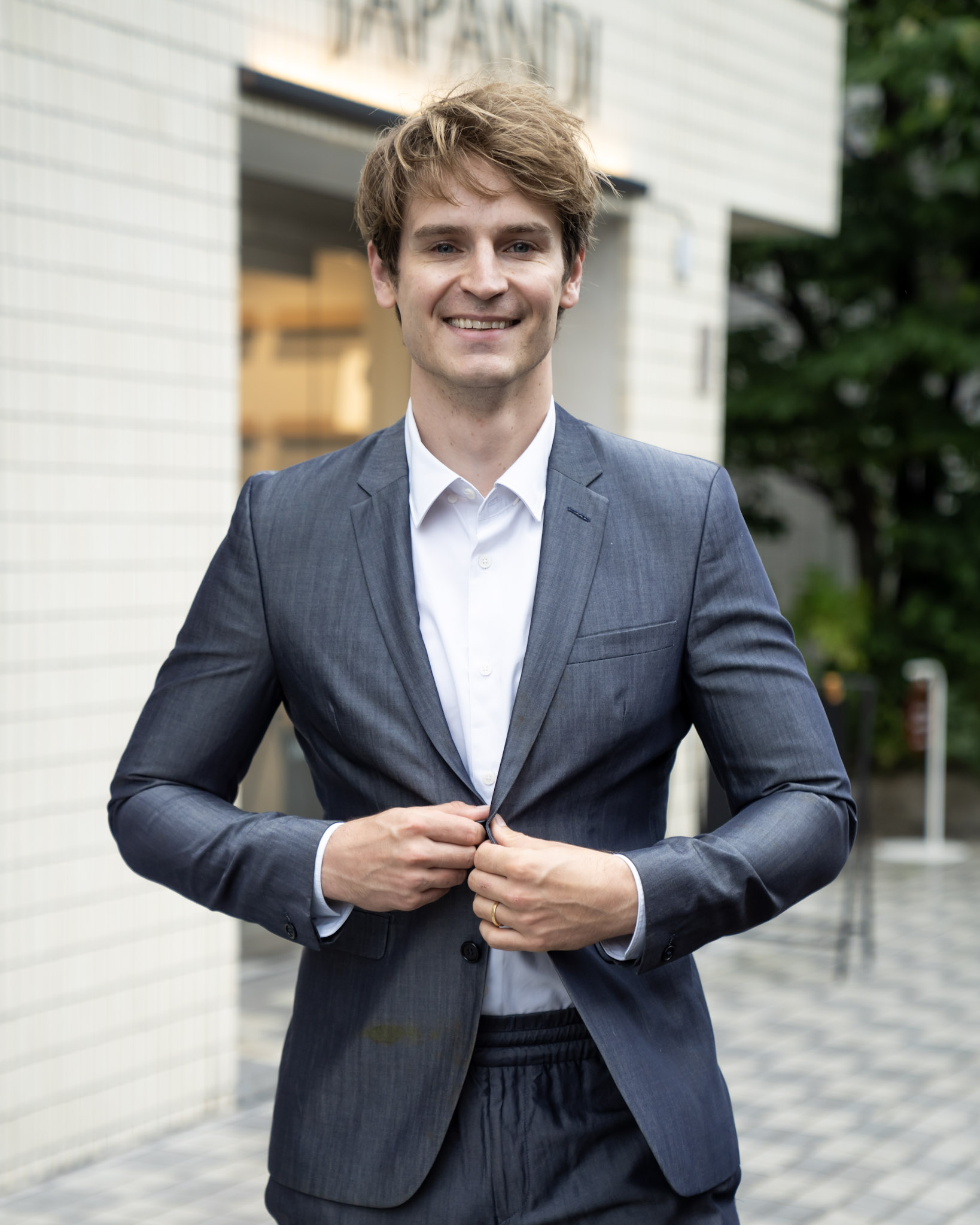
Anton Wormann is a Swedish entrepreneur, real estate investor, and founder of JAPANDI. Based in Tokyo since 2018, he has specialized in investing in and renovating undervalued Japanese properties since 2019, helping international buyers navigate Japan's real estate market.
Related Questions
Should I buy an apartment or a house in Tokyo?
Both have advantages. Apartments generally require less maintenance, while detached houses offer greater privacy, flexibility, and renovation possibilities.

Neighborhood Guide: The Best Places to Live in Tokyo
Choosing where to live in Tokyo often starts with choosing a ward. I compared five wards popular with foreigners: what each one is like, and what it actually costs to rent there in 2026.
Neighborhood Guide: The Best Places to Live in Tokyo

Tokyo Line by Line: Where to Live on the Toyoko
Choosing where to live in Tokyo typically starts with choosing a train line and a station. I spent a day visiting six stops on the Toyoko Line to see what each neighborhood is really like, and what it costs.
Tokyo Line by Line: Where to Live on the Toyoko
Why Renting in Tokyo is So Hard for Foreigners (And What to Do About It)
Fees, paperwork, guarantors, and apartments that vanish within days. What I learned trying to rent in Tokyo as a foreigner and working at a real estate company, and what to do when the standard route doesn't work.
Why Renting in Tokyo is So Hard for Foreigners (And What to Do About It)
Ready to find your home in Tokyo?
Buying and renovating a home in Tokyo can feel overwhelming from the outside — especially for international clients. We make it clear, considered, and design-led from the very first conversation.
- 01.One team guiding you through every step
- 02.A clear path from first search to final result
- 03.Homes chosen for potential, not just listings
- 04.Scandinavian design meets Japanese craftsmanship
- 05.A trusted network of architects, designers, and builders