Why Tokyo’s Older Apartments Are Becoming More Valuable
For decades, Tokyo's market revolved around new builds. Today, older apartments in strong neighborhoods are quietly becoming some of the city's most interesting opportunities — here's why.
For decades, Tokyo’s real estate market revolved around one simple idea:
New is better.
Older apartments were often viewed as temporary, outdated, or something to eventually tear down and rebuild.
For a long time, many buyers in Japan emotionally associated older apartments with lower status, uncertainty, or lower value compared to brand-new buildings.
But that mindset is slowly beginning to change.
Today, some of the most interesting opportunities in Tokyo are no longer found in brand-new towers.
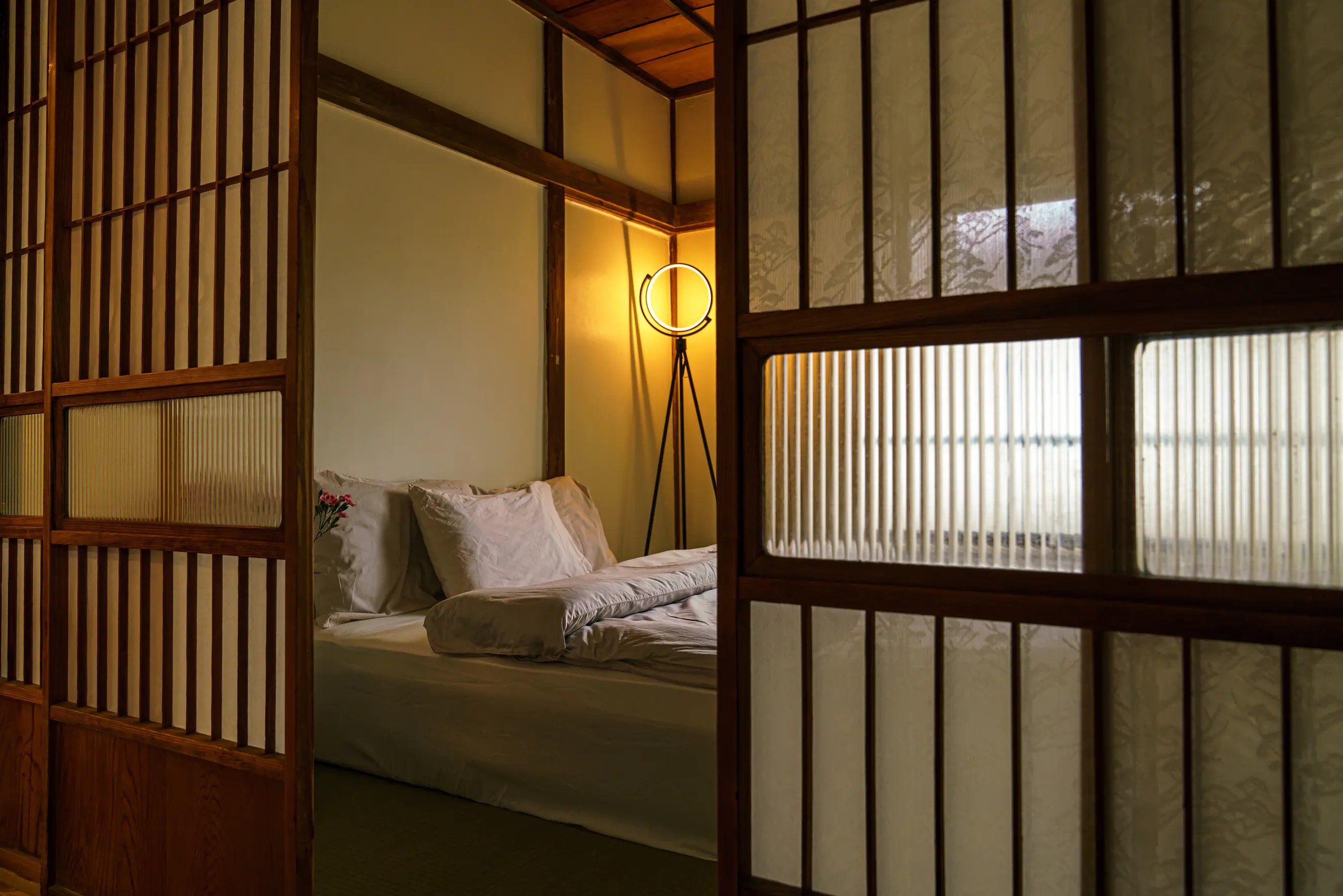
They are older apartments in strong neighborhoods with good light, solid structure, and renovation potential.
Especially compared to many other global cities, Tokyo still remains surprisingly undervalued considering its scale, infrastructure, safety, and quality of life.
And there are several reasons why this shift is happening.
Construction Costs in Japan Have Changed Dramatically
One of the biggest factors is simply the rising cost of building brand new housing in Japan.
Construction costs have increased dramatically over the past few years due to:
- labor shortages
- rising material prices
- supply chain instability
- transportation costs
- and an aging construction workforce
Building in Tokyo today is becoming significantly more expensive than many people realize.
A well-known example was the Nakano Sun Plaza redevelopment project in Tokyo, where soaring construction costs and labor shortages reportedly stalled a massive redevelopment plan even after the iconic building had already been emptied and prepared for demolition.
In many ways, the project became symbolic of a larger shift happening across Japan’s construction industry:
Building completely new large-scale developments is becoming significantly more difficult, expensive, and uncertain than before.
Renovation Companies Are Rising Fast
At the same time, Japan is seeing a major rise in renovation-focused companies.
For years, the market was heavily dominated by new-build developers.
But today, more companies are beginning to focus on:
- skeleton renovations
- adaptive reuse
- design-led remodeling
- and adding value to existing spaces
This is especially visible in Tokyo.
Many younger buyers are beginning to prioritize:
- location
- neighborhood quality
- natural light
- ceiling height
- layout
- and design
over simply buying something brand new.
In many central Tokyo neighborhoods, buyers are realizing that an older renovated apartment in a strong location can often offer a much better lifestyle than a small new-build further away from the city center.
Smaller New Apartments Are Changing Buyer Priorities
Another factor is size.
Many newly built apartments in Tokyo have become increasingly compact in order to keep prices manageable.
As prices rise, developers often reduce square meters rather than lower prices.
As a result, many buyers are beginning to compare:
- small new-build apartments
vs - larger renovated older apartments in better locations
And increasingly, many people are choosing the latter.
Especially buyers who value:
- working from home
- entertaining
- sunlight
- storage
- balconies
- and overall atmosphere
Sometimes the ugliest apartment in the best neighborhood becomes the most interesting opportunity.
Design Is Becoming More Important
For a long time, many apartments in Tokyo were built around efficiency and standardization.
But today, buyers are becoming much more design-conscious.
People want homes that feel:
- calm
- warm
- functional
- and personal
Natural materials, thoughtful lighting, better layouts, and renovation quality are becoming increasingly important factors in how buyers evaluate a property.
This is one of the reasons thoughtfully renovated apartments are beginning to command stronger prices than before.
There are simply fewer truly unique homes available in central Tokyo.
Financing Is Slowly Changing Too
Historically, Japanese banks were often hesitant to finance older buildings.
But that is slowly changing as well.
Properties built after newer earthquake regulations introduced in the 1980s are increasingly being viewed as financeable long-term assets, especially when located in strong areas of Tokyo.
Banks are also beginning to recognize that thoughtful renovation can significantly improve both livability and long-term value.
This shift is making older apartments increasingly attractive not only to homeowners, but also to investors.
Tokyo’s growing tourism industry has also made both short-term and long-term rentals increasingly attractive for many buyers.
At the same time, ordinary long-term residential rentals in Tokyo rarely exceed around 5% annual yield in central neighborhoods, which is why many investors today focus more on:
- long-term location quality
- renovation potential
- lifestyle appeal
- and future value creation
rather than purely chasing short-term cash flow.
Tokyo’s Best Opportunities Are Often Older Buildings
At Japandi Real Estate, we increasingly believe some of the best opportunities in Tokyo today are older apartments with:
- strong locations
- good bones
- natural light
- larger layouts
- and renovation potential
We’ve walked into apartments that initially looked completely unremarkable online, but after renovation became some of the most beautiful spaces we’ve seen in Tokyo.
A good renovation does not simply improve aesthetics.
It can completely change how a property feels — and how it performs long term.
A Shift in Tokyo’s Real Estate Culture
Tokyo will likely always continue building new housing.
But at the same time, a new appreciation for thoughtful renovation is clearly emerging.
People are beginning to realize that value is not only created through new construction.
Sometimes, the best opportunities come from reimagining what already exists.
We believe the future of Tokyo real estate is not simply building new.
It is thoughtfully reimagining what already exists.
And in many ways, that shift may become one of the most important changes in Tokyo real estate over the next decade.
If you are interested in buying and adding value to a home in Tokyo, feel free to send us at Japandi Real Estate a message.
Anton Wormann is a Swedish entrepreneur, real estate investor, and founder of JAPANDI. Based in Tokyo since 2018, he has specialized in investing in and renovating undervalued Japanese properties since 2019, helping international buyers navigate Japan's real estate market.
Related Questions
Why do Japanese houses depreciate?
Unlike many countries, buildings in Japan are often treated as depreciating assets while the land retains most of the long-term value. This is central to understanding value in the Japanese market.
Why are Japanese houses torn down?
Many older houses are demolished because rebuilding can be more practical than renovating — especially when layouts, insulation, or building standards are outdated.
Should I buy a new or used home in Japan?
We usually prefer well-located used homes with renovation potential. They often provide better value and more opportunities to create something genuinely unique.
Should I renovate or rebuild a house in Japan?
It depends on the property. Some homes have great bones and are well worth renovating, while others make more sense to rebuild from scratch — particularly when layouts, insulation, or building standards are badly outdated.

Neighborhood Guide: The Best Places to Live in Tokyo
Choosing where to live in Tokyo often starts with choosing a ward. I compared five wards popular with foreigners: what each one is like, and what it actually costs to rent there in 2026.
Neighborhood Guide: The Best Places to Live in Tokyo

Tokyo Line by Line: Where to Live on the Toyoko
Choosing where to live in Tokyo typically starts with choosing a train line and a station. I spent a day visiting six stops on the Toyoko Line to see what each neighborhood is really like, and what it costs.
Tokyo Line by Line: Where to Live on the Toyoko
Why Renting in Tokyo is So Hard for Foreigners (And What to Do About It)
Fees, paperwork, guarantors, and apartments that vanish within days. What I learned trying to rent in Tokyo as a foreigner and working at a real estate company, and what to do when the standard route doesn't work.
Why Renting in Tokyo is So Hard for Foreigners (And What to Do About It)
Ready to find your home in Tokyo?
Buying and renovating a home in Tokyo can feel overwhelming from the outside — especially for international clients. We make it clear, considered, and design-led from the very first conversation.
- 01.One team guiding you through every step
- 02.A clear path from first search to final result
- 03.Homes chosen for potential, not just listings
- 04.Scandinavian design meets Japanese craftsmanship
- 05.A trusted network of architects, designers, and builders