How to Buy and Renovate a Home in Tokyo, Japan
A step-by-step guide to buying and renovating in Tokyo — from understanding the off-market, to financing older buildings, to the ten stages of the purchase process.
.webp)
For many foreigners, buying and renovating a home in Tokyo feels intimidating at first.
The language barrier, unfamiliar financing systems, renovation culture, and Tokyo’s sheer size can make the process feel overwhelming from the outside.
But in reality, buying property in Tokyo is often much more accessible than people expect.
And surprisingly, compared to many major metropolitan cities around the world, Tokyo is still relatively affordable on a price-per-square-meter basis.
When compared with:
- New York
- London
- Singapore
- Hong Kong
- Paris
Tokyo still offers surprisingly strong value considering:
- safety
- infrastructure
- transportation
- quality of life
- and global importance as a city
In some neighborhoods, buying can actually be cheaper than renting long term.
For many buyers today, Tokyo real estate is becoming both a lifestyle decision and a long-term investment.
This is one of the reasons why more long-term foreigners living in Japan are beginning to ask themselves:
“Why am I still renting?”
Renting in Japan as a Foreigner
One thing many foreigners quickly discover is that renting in Japan can still be surprisingly restrictive.
Some landlords in Japan remain hesitant to rent to foreign tenants.
Before immediately calling this “racism,” it is important to understand some of the historical and cultural background behind it.
In many cases, landlords have previously had difficult experiences renting to foreigners.
A commonly referenced example was after the 2011 earthquake and Fukushima disaster, when many foreign residents suddenly left Japan overnight. In some cases, apartments were abandoned with unpaid rent, unresolved contracts, or communication issues, creating difficult situations for landlords and property management companies.
That experience left a lasting impression on many older property owners in Tokyo.
Things are slowly changing, especially in more international neighborhoods and with younger landlords, but the rental process can still feel difficult for many foreign residents.
This is one of the reasons why more long-term foreigners in Japan are now considering ownership instead.
Tokyo Is Not One Market
One of the first misunderstandings many foreign buyers have is thinking about “Tokyo” as one single property market.
In reality, Tokyo is a collection of completely different neighborhoods, lifestyles, building types, and price ranges.
Living in:
- Yoyogi
- Sangenjaya
- Shimokitazawa
- Nakameguro
- Azabu
- Kichijoji
- Asakusa
can feel like living in entirely different cities.
The right location depends heavily on:
- lifestyle
- commute
- family situation
- budget
- long-term plans
- and whether the property is for living, investing, or both
In our experience, location almost always matters more than size.
A smaller but better-located apartment with good light, walkability, and long-term desirability will often outperform a larger apartment in a less attractive area.
We’ve walked into apartments in Tokyo that looked terrible online but became incredible spaces after renovation.
The Off-Market in Tokyo Is Massive
Another thing that surprises many foreign buyers is how much of Tokyo real estate happens quietly behind the scenes.
Compared to many Western countries where most listings are aggressively marketed online, a large amount of desirable property in Tokyo changes hands before ever reaching the major portal sites.
Relationships still matter enormously in Japan.
Brokers often share opportunities privately within their network first:
- before public listings
- before major price competition
- and sometimes before renovation plans are even finalized
This is especially true for:
- well-located older apartments
- unique properties
- renovation opportunities
- and properties with strong long-term potential
Some of the best opportunities in Tokyo are never really “found” online.
They are introduced through networks, relationships, and timing.
Understand Your Budget First
One of the biggest mistakes buyers make is focusing only on the purchase price.
In reality, your budget should include:
- renovation costs
- acquisition taxes
- registration fees
- agent fees
- building management fees
- property taxes
- demolition costs
- disposal fees
- furniture and appliances
- and contingency budgets
In Japan, renovation budgets almost always become larger than initially expected.
It is important to understand not only:
“How much can I buy for?”
But:
“How much can I comfortably buy and renovate well?”
A bad renovation in Tokyo is expensive.
A good renovation can completely change the value of a property.
Japanese Buyers and Foreign Buyers Often Want Different Things
After developing and renovating units together with major Japanese real estate and renovation companies, one thing we’ve learned is that Japanese buyers and foreign buyers often look for very different things in a home.
Many Japanese buyers still prioritize:
- newer buildings
- standardized layouts
- predictability
- and proximity to train stations
Foreign buyers, on the other hand, are often much more focused on:
- natural light
- ceiling height
- larger living spaces
- outdoor areas and balconies
- material quality
- character
- and uniqueness
Neither approach is wrong. They simply come from different cultural expectations of what a home should feel like.
This difference is also one of the reasons why some older Tokyo apartments that may initially feel unattractive to local buyers can become incredibly valuable opportunities after thoughtful renovation.
What Actually Creates Value?
In our experience, some of the best value in Tokyo renovations comes from improving:
- natural light
- layout and flow
- ceiling height
- storage
- balcony usage
- material quality
- warmth and atmosphere
- and functionality for everyday life
Not necessarily from making a home bigger or more luxurious.
In many cases, thoughtful renovation is also what creates the strongest long-term investment value.
A well-located older apartment with great light, strong layout potential, and quality renovation can sometimes outperform newer units simply because there are fewer truly unique homes available in central Tokyo.
As more buyers begin prioritizing lifestyle, design, and location over simply buying something brand new, thoughtfully renovated properties are increasingly being viewed not only as homes — but as long-term assets.
Tokyo’s growing tourism industry has also made both short-term and long-term rentals increasingly attractive for many buyers.
With inbound tourism continuing to grow rapidly, well-located and thoughtfully designed properties in Tokyo are seeing strong demand from both travelers and long-term residents.
At the same time, it is important to have realistic expectations regarding rental yields in central Tokyo.
Ordinary long-term residential rentals in Tokyo rarely exceed around 5% annual yield, especially in stronger central neighborhoods where property prices are higher.
This is one of the reasons why many investors today focus more on:
- long-term location quality
- renovation potential
- lifestyle appeal
- and future value creation
rather than purely chasing short-term cash flow.
Well-designed properties in strong locations tend to perform best over time, both as homes and as long-term assets.
In Japan, many buyers still emotionally associate “brand new” with safety, cleanliness, and reliability.
But that mindset is slowly evolving as more people begin appreciating thoughtful renovations and well-located older homes with character.
Some of the most attractive spaces in Tokyo today are not brand-new developments, but older properties that have been carefully redesigned with intention.
Earthquake Regulations and Financing
Another important factor many foreign buyers overlook is Japan’s earthquake regulations and how much building standards have changed over time.
Properties built after the newer seismic standards introduced in the 1980s are generally viewed much more favorably by both buyers and banks.
For many years, Japanese banks were hesitant to finance older properties at all, including heavily renovated ones, simply because of the age of the building.
That is slowly beginning to change.
As renovation culture continues growing in Japan, more banks are starting to provide loans for older properties as well, particularly for Japanese buyers and foreigners with long-term residency or stable visa status in Japan.
As a result, many buyers are now prioritizing larger, thoughtfully designed apartments in great locations — sometimes even at premium prices — rather than buying something simply because it is brand new.
This shift is one of the reasons why thoughtfully renovated older homes in strong Tokyo locations are becoming increasingly attractive long-term assets.
The Buying Process in Tokyo
While the process can initially feel complicated, buying property in Japan is usually quite structured once you understand the steps.
1. Understand Your Budget
Before even looking at listings, it is important to understand:
- how much you can comfortably spend
- financing possibilities
- renovation costs
- taxes and fees
- and what type of property realistically fits your lifestyle
The goal should not simply be buying the most expensive property possible.
It should be buying something that still leaves room to renovate thoughtfully and live comfortably long term.
2. Narrow Down Your Search Area
This is usually the most important decision.
Many buyers focus too much on the apartment itself and not enough on:
- neighborhood feeling
- train access
- surrounding streets
- cafés and restaurants
- parks
- sunlight
- noise levels
- and long-term livability
Tokyo changes dramatically from neighborhood to neighborhood.
In our experience, buying slightly smaller in a stronger location is often the better long-term decision.
3. Financing Pre-Approval
If financing is needed, this usually happens early in the process.
Cash purchases are almost always prioritized by sellers in Japan. In our experience, buyers paying cash are also often able to negotiate more aggressively, since the seller avoids the risk of a bank rejecting the loan after the property has already been taken off the market.
Loan conditions often depend on:
- building age
- seismic standards
- visa status
- income
- and property location
Many banks today are becoming increasingly open to older properties as long as the building itself has strong fundamentals.
4. Property Viewings
This is where experience matters enormously.
A property that looks attractive online may:
- have poor sunlight
- major beam limitations
- outdated plumbing
- low ceilings
- difficult renovation constraints
- or weak long-term resale value
Many of the best opportunities in Tokyo initially look unimpressive before renovation.
Viewing properties during different times of the day also matters more than many buyers realize.
Morning light, afternoon light, train noise, surrounding buildings, and neighborhood atmosphere can completely change how a property feels.
5. Submit an Offer
Once you decide on a property, an official purchase application is submitted.
Negotiation in Japan is usually more subtle and relationship-based than in many Western countries.
Aggressive negotiation tactics often do not work well here.
6. Important Explanation Meeting (重要事項説明)
Before signing, buyers receive a detailed explanation of:
- ownership structure
- legal matters
- building regulations
- management rules
- repair funds
- zoning
- and important disclosures
This is one of the most important steps in the process.
Older buildings especially require careful understanding of:
- management associations
- reserve funds
- long-term repair plans
- and renovation restrictions
7. Contract Signing
Once contracts are signed, a deposit is typically paid.
After this stage, backing out becomes much more difficult and can involve penalties.
8. Loan Approval & Final Payment
The bank finalizes financing and the remaining balance is paid.
Ownership registration is then transferred officially.
9. Renovation Planning
For renovation projects, this is usually where:
- measurements
- demolition plans
- layouts
- materials
- permits
- and contractor coordination
begin.
In many cases, the real potential of the property only becomes visible after demolition starts.
10. Renovation & Completion
This phase can take anywhere from a few weeks to several months depending on complexity.
The best projects usually come from:
- realistic budgets
- good communication
- flexibility
- thoughtful design decisions
- and patience
Especially in Tokyo, where logistics, labor shortages, and material lead times can affect timelines quickly.
Tokyo’s Best Homes Are Often Created, Not Found
At Japandi Real Estate, we believe some of the most exciting opportunities in Tokyo are not necessarily brand-new developments.
They are older spaces with good bones, strong locations, and untapped potential.
Places that can be carefully transformed into homes that feel timeless, warm, and functional for modern life in Tokyo.
We believe the future of Tokyo real estate is not simply building new.
It is thoughtfully reimagining what already exists.
And we think that creates some of the most exciting real estate opportunities in Japan today.
Not simply to buy property in Tokyo.
But to buy well, renovate thoughtfully, and create long-term value.
If you are interested in buying and adding value to a home in Tokyo, feel free to send us at Japandi Real Estate a message.
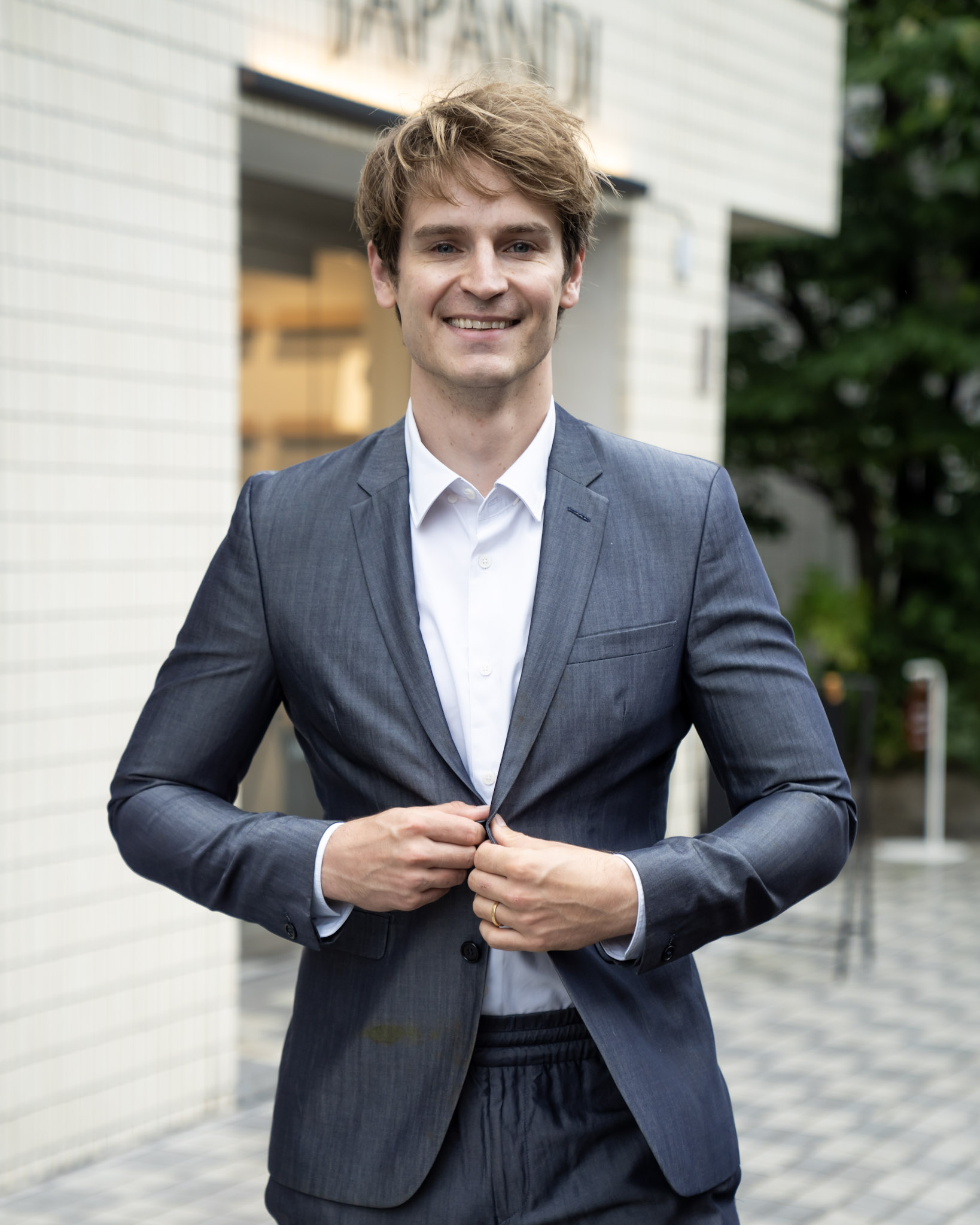
Anton Wormann is a Swedish entrepreneur, real estate investor, and founder of JAPANDI. Based in Tokyo since 2018, he has specialized in investing in and renovating undervalued Japanese properties since 2019, helping international buyers navigate Japan's real estate market.
Related Questions
What should I check before buying a house in Japan?
Location is only one piece of the puzzle. We always check the structure, road access, zoning, earthquake standards, renovation potential, legal restrictions, and future resale value before recommending a purchase.
Why won't the bank finance this house?
Banks evaluate both the borrower and the property, so each house may require a separate application. Older buildings, private roads, narrow access, unrebuildable houses, or certain construction types can all make financing difficult even for well-qualified buyers.
Are Japanese houses earthquake safe?
Many are. Houses built under Japan's newer earthquake standards generally perform much better than older buildings. The key benchmark is whether a home was built after the 1981 New Earthquake Standard.
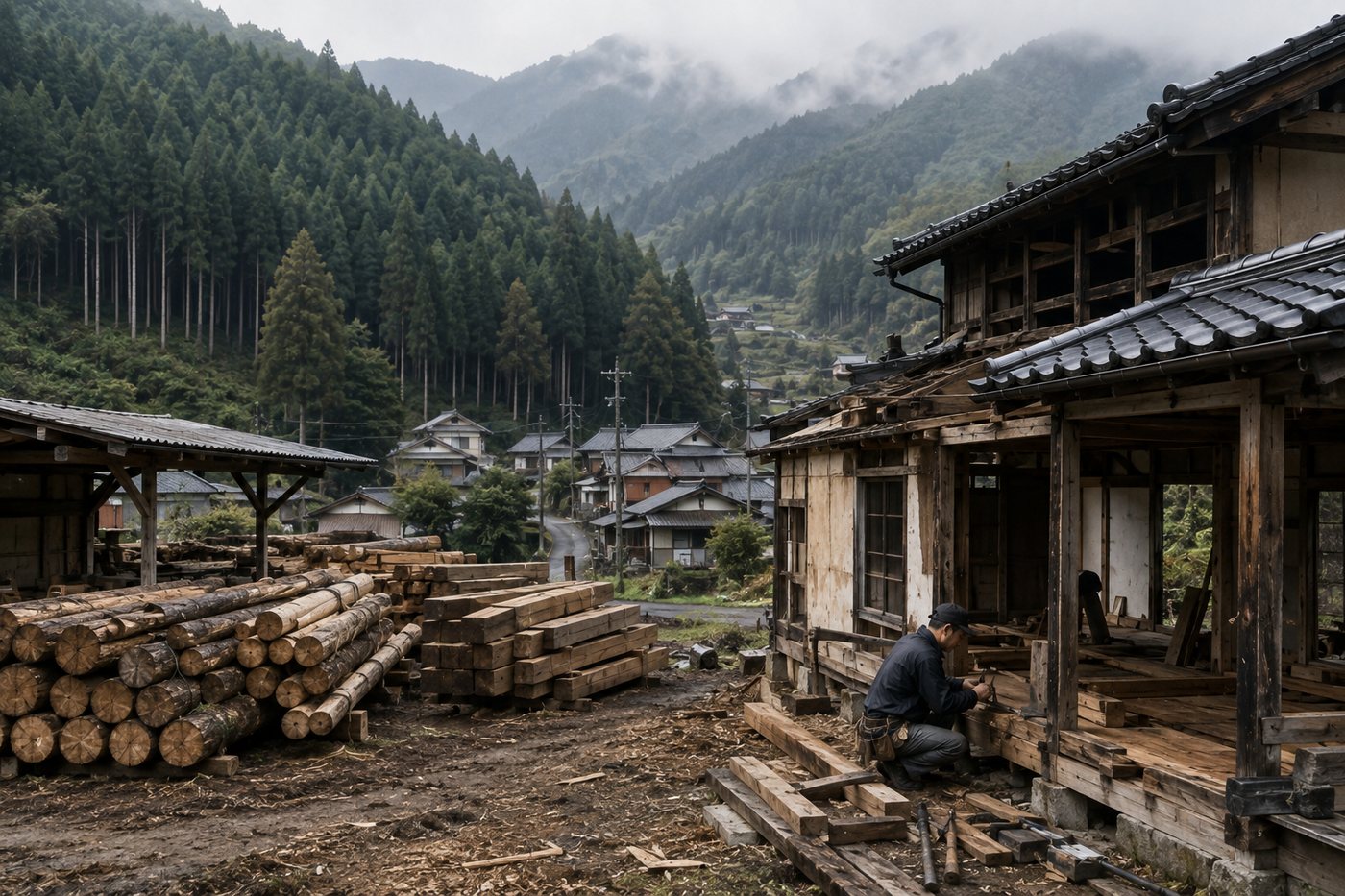
Too Many Japanese Trees, Not Enough Timber?
Japan has more forest than most countries on Earth, so why do they so heavily rely on imported wood?
Too Many Japanese Trees, Not Enough Timber?
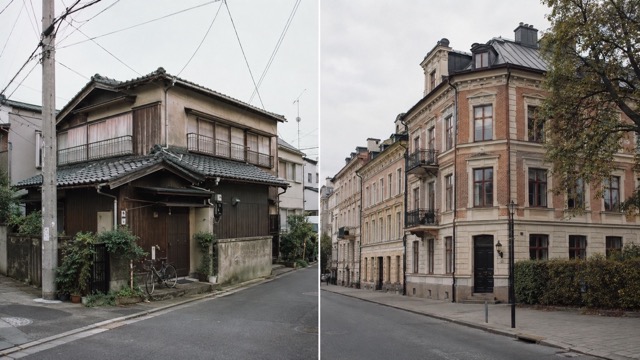
Why an Older Home in Tokyo Might Be the Smarter Buy
Older homes are gaining popularity in Tokyo, Japan
Why an Older Home in Tokyo Might Be the Smarter Buy
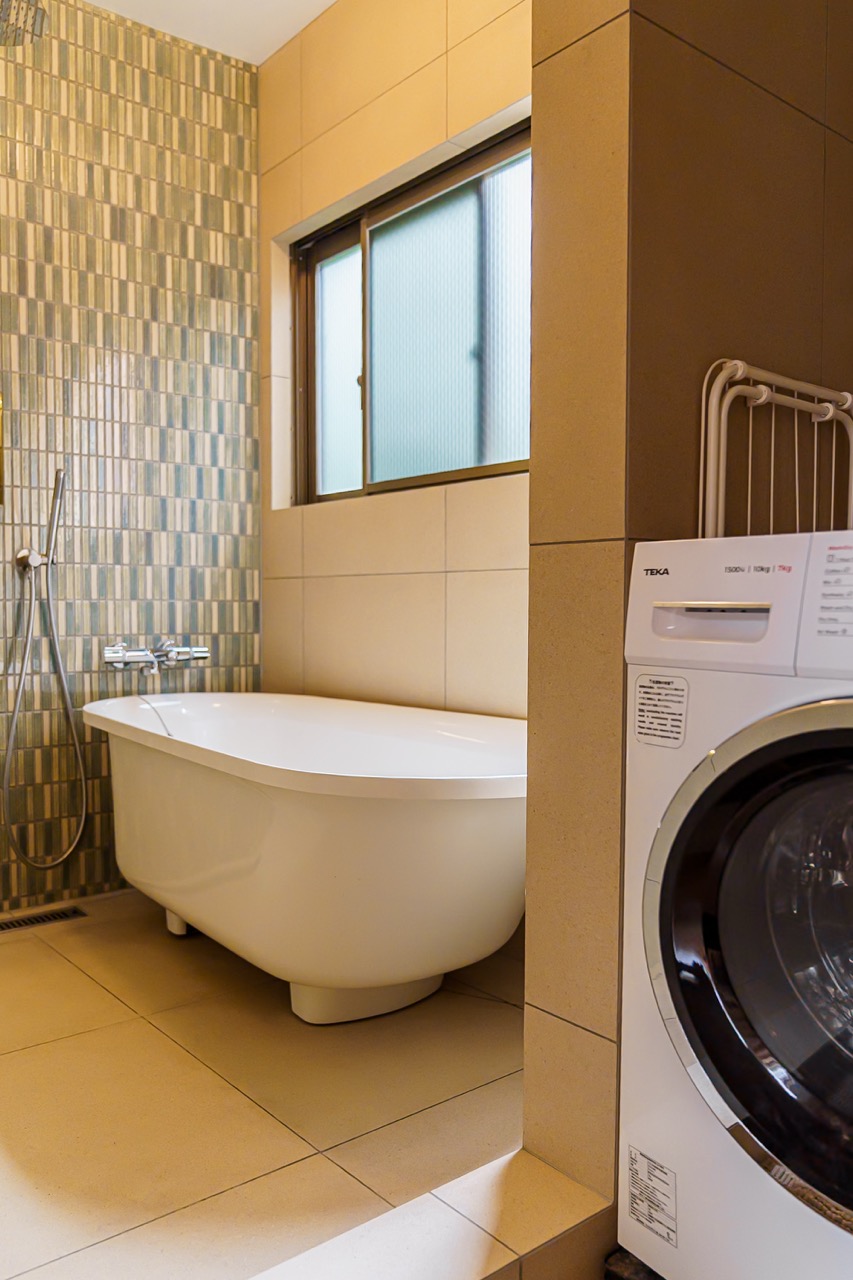
Construction Crisis in Japan: How Japanese Bathrooms Are Made
From unit baths to custom tile, here's how Japanese bathrooms are built - and what we'd recommend for your renovation.
Construction Crisis in Japan: How Japanese Bathrooms Are Made
Ready to find your home in Tokyo?
Buying and renovating a home in Tokyo can feel overwhelming from the outside — especially for international clients. We make it clear, considered, and design-led from the very first conversation.
- 01.One team guiding you through every step
- 02.A clear path from first search to final result
- 03.Homes chosen for potential, not just listings
- 04.Scandinavian design meets Japanese craftsmanship
- 05.A trusted network of architects, designers, and builders