How to Renovate a House in Japan
Give an older Japanese house a new chapter. Our guide covers renovation planning, budgets, building rules and preserving the character of your home.

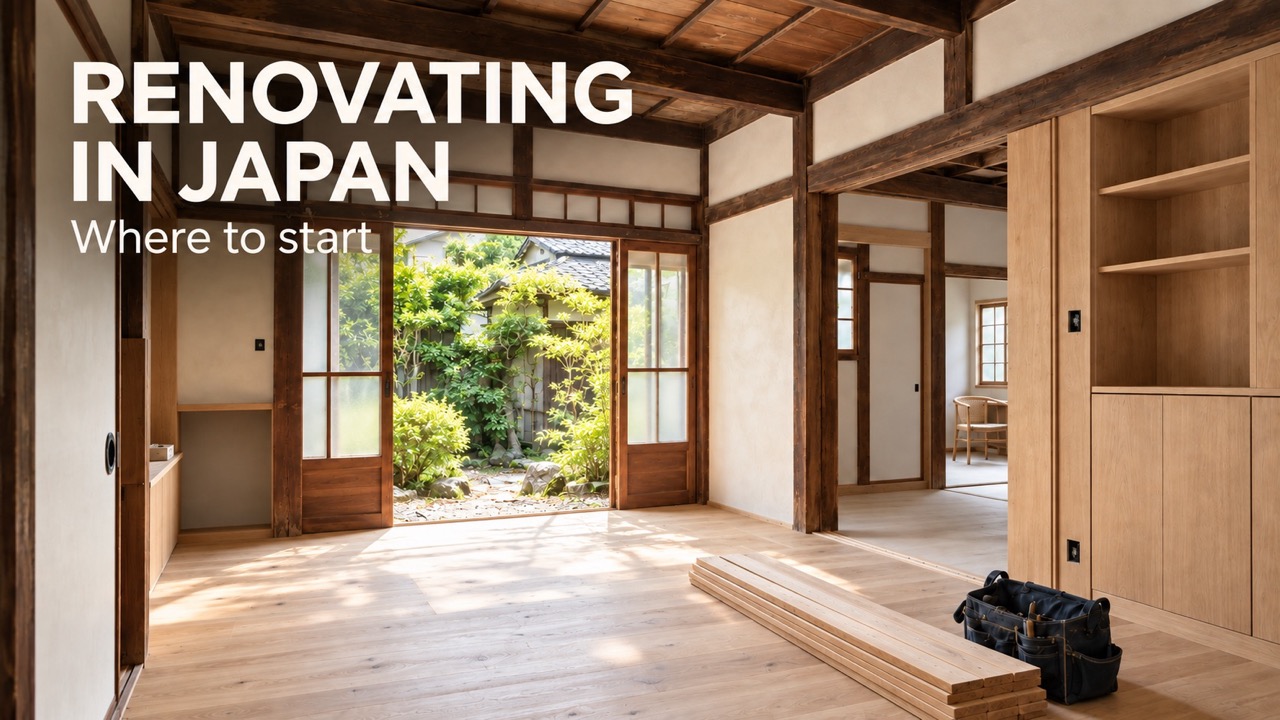
How to Renovate a House in Japan
Thinking about renovating a house in Japan? From choosing the right property and understanding the 2025 building-rule changes to planning structural improvements and finding contractors, this guide explains where to start.
Renovating an older Japanese house can be incredibly rewarding.
There may be beautiful timber hidden above the ceiling, a garden waiting to be rediscovered, or a layout that can be transformed into something much more comfortable.
But before removing walls or choosing a kitchen, you need to understand the building, its history and what work is possible.
At JAPANDI, buying and renovating older houses has taught us that the best projects begin well before construction.
Why Renovate Instead of Building New?
Japan has a strong tradition of replacing older houses with new buildings.
Coming from Sweden, this was one of the things I found most surprising about Japanese real estate. A house that would be considered full of potential back home might be marketed here primarily for its land, with the building treated as something to demolish.
There are understandable reasons why an owner might choose to rebuild. Older houses can have poor insulation, deteriorated services, difficult layouts or structural weaknesses. A new building can offer greater predictability and modern performance from the start.
But I do not believe demolition should be the automatic answer.
An existing house may have good materials, character and years of useful life left. The question is whether those qualities can be preserved while making the building suitable for its next chapter.
Understanding Depreciation in Japan
One source of confusion is how buildings depreciate.
Japan’s standard tax useful lives for residential buildings vary by structure:
Residential building structureStandard tax useful lifeWooden22 yearsSteel frame, with structural steel thickness of 3 mm or less19 yearsSteel frame, over 3 mm and up to 4 mm27 yearsSteel frame, over 4 mm34 yearsReinforced concrete47 years
These figures concern tax depreciation. They do not mean a wooden house becomes uninhabitable after 22 years or that its market value automatically falls to zero. Different treatment can apply when acquiring a used building, and land itself is not depreciated. National Tax Agency useful-life table, depreciation guidance
Tax value, resale value and physical condition are different things.
A well-maintained older house may still be a good home. A newer house with water damage or neglected maintenance may require substantial work.
For me, the condition and potential of a building deserve far more attention than its age alone.
Step 1: Decide What You Want to Achieve
Start with how you intend to use the house.
Will it be your main residence, a vacation home or a rental property? Do you want to preserve traditional details, improve comfort or completely change the layout?
Is design or function desired? or both?
These decisions shape the renovation.
A home you live in every day may justify a larger investment in insulation, storage and heating. A vacation property needs a plan for maintenance while you are away. A rental property requires separate checks on its intended use.
Write down your priorities before speaking with contractors.
Separate essential repairs from improvements you would like to make. This makes it easier to protect the important work if the budget becomes tight.
Step 2: Check the House Before Buying or Starting Work
A renovation should begin with an investigation of the existing building.
Fresh wallpaper and attractive flooring tell you very little about what is happening underneath.
Depending on the property, arrange checks for:
- Roof leaks and water penetration.
- Termite damage and timber decay.
- Foundations and structural condition.
- Plumbing, drainage and electrical systems.
- Insulation, ventilation and condensation(especially in Japanese basements)
- Previous alterations and extensions.
- Available drawings and building records.
An independent inspection (which are more than rare..) can help identify visible defects, but it will not reveal every hidden problem. Structural assessments, opening-up investigations or other specialist checks may also be needed.
If you have not yet bought the house, involve a suitable architect or contractor before signing whenever possible.
The purchase price only makes sense when you understand the likely cost of making the property usable.
Step 3: Understand Extensions and the Building’s Legal History
Older houses sometimes have additions made by previous owners.
An extension is called zōchiku (増築). You may also hear zōkaichiku (増改築), referring to extensions and alterations.
An added room, enclosed balcony or enlarged kitchen can make a house more practical. However, the existing building may not match the drawings or registered floor area.
An extension is not automatically illegal. The important questions are whether the required procedures were followed and whether the building complies with the applicable requirements.
There is also a distinction between a building that was lawful when constructed but no longer meets newer standards, and work that was non-compliant when carried out.
These differences matter when planning renovation and applying for financing.
Banks may be cautious where approvals are missing, records do not match or legal compliance is uncertain. Lender policies vary, so do not assume that an attractive house with an extension will qualify for a standard mortgage. A cash purchase is relatively straight forward.
Check the records early.
Step 4: Understand Japan’s 2025 Renovation Rule Changes
Japan changed the scope of building confirmation procedures from April 2025.
One important consequence is that major renovations to typical two-storey wooden houses now fall within a broader requirement for building confirmation, known as kakunin shinsei (確認申請).
Previously, many smaller wooden buildings benefited from exemptions that meant certain major renovations did not require this application.
That did not mean building standards were absent or that owners could legally do anything they wanted. It meant fewer projects passed through this particular formal review process.
Does every renovation require an application?
No.
Ordinary cosmetic work, such as painting, wallpaper replacement or replacing kitchen equipment without relevant structural work, does not automatically trigger building confirmation.
However, extensions, changes of use and other work can raise separate requirements.
Step 5: Be Especially Careful With Non-Rebuildable Houses
Some properties are described as saikenchiku fuka (再建築不可), meaning they cannot ordinarily be rebuilt under their current circumstances.
This is often connected to road-access requirements, although the reason must be checked for each property.
These houses can have renovation potential. But buying one requires a clear understanding of its limitations.
You should not assume you can demolish the house and put another in its place. You should also not assume that keeping a few walls automatically makes any project an acceptable renovation.
For major work, the building’s legal status and the confirmation requirements need to be considered together.
Get a project-specific assessment before purchase or construction. A low asking price is only an opportunity if the work you need is feasible.
Step 6: Plan for Earthquakes and Natural Disasters
In Japan, renovation needs to consider more than appearance.
Earthquakes, typhoons, heavy rain and other natural hazards should influence both the property you choose and the work you carry out.
For an older house, ask whether a seismic assessment is appropriate. A general home inspection is not the same as an assessment of earthquake performance.
Removing walls to create an open living space may affect the structure. Heavy roofing, deteriorated timber, weak connections and previous alterations can also be relevant.
Have structural changes designed and assessed by qualified professionals.
The site matters too.
Check local hazard information for flooding, landslides and other relevant risks. Inspect drainage, retaining walls and signs that water has entered the building.
A beautifully renovated interior will not solve an unstable slope or repeated flooding.
Where possible, use the renovation to address underlying weaknesses as well as improve comfort.
Step 7: Build a Realistic Budget
There is no single reliable price for renovating a house in Japan.
A cosmetic refresh is very different from replacing the roof, repairing structural damage, upgrading services and changing the layout.
Your budget should account for:
- Surveys, inspections and design.
- Applications and professional fees where required.
- Demolition and waste disposal (High in Japan)
- Structural repairs and reinforcement.
- Roofing and waterproofing.
- Electrical, plumbing and drainage work.
- Insulation, windows and ventilation.
- Kitchens, bathrooms and interior finishes.
- Exterior work and landscaping.
- An allowance for unexpected conditions.
Older houses can reveal problems once floors, walls and ceilings are opened.
Ask the contractor which items are fixed, which are provisional and what is excluded. Agree on how additional work will be priced and approved.
Access can also affect costs. A narrow path, limited parking or a difficult route for materials may make a project more labor-intensive.
For buyers using finance, confirm how the purchase and renovation will be funded before committing. Do not assume the mortgage will cover all the work or release funds when the contractor needs payment.
Step 8: Choose the Right Architect and Contractors
Choose people whose experience fits the project.
A contractor who is excellent at replacing kitchens may not be the right choice for a major structural renovation or traditional timber house.
Ask about comparable projects, who will manage the site and who is responsible for design and applications.
Sometimes a great 現場監督、the person supervising the project and communication in between you is all you need.
Before work begins, agree on:
- The scope and specifications.
- The price and payment schedule.
- The expected programme.
- Responsibility for applications and inspections.
- How changes will be approved.
- How defects and completion issues will be handled.
For foreign owners, communication deserves particular attention.
Drawings, written specifications and clear records are useful even when everyone speaks the same language. They become even more important when working across languages or managing a project from overseas.
Some decorative DIY may be practical, but specialist work should be left to appropriately qualified professionals where required.
Step 9: Repair First, Then Transform
It is tempting to start with the kitchen, tiles and furniture.
But the first priorities should be the condition of the building and the reliability of its services.
Fix water entry. Address structural concerns. Check the wiring and plumbing. Plan insulation and ventilation together.
Then develop the finishes around the house.
Not every older feature needs to be removed. Timber beams, doors, joinery and other details may be worth retaining, depending on their condition.
This is one of the parts of renovation I enjoy most: deciding what can stay and how it can work with the way people live today.
Are Stricter Renovation Rules Good or Bad?
I have mixed feelings.
Better review of major structural work can help make renovation safer. That matters in a country exposed to earthquakes and severe weather.
But additional drawings, investigations and procedures can also increase the time and cost of bringing an older house back into use.
My concern is what happens when preservation becomes too difficult.
Will owners decide demolition is the simpler option? Will a house that could have been repaired remain empty because the project no longer feels manageable?
Those are concerns about the possible effects of the rules, rather than a claim that the government intends to discourage renovation.
I want to see safe renovation supported by a practical process.
That means skilled professionals, clear requirements and sensible ways to assess existing buildings. It also means recognizing that an older home can still have value.
All this, while Japan has a crisis, 9 Million vacant homes. The Akiya Problem.
Giving Existing Houses Another Chapter
Through our projects, we see the interest that older Japanese homes can inspire.
People are drawn to their materials, proportions, gardens and history. With careful planning, some of these buildings can become comfortable homes while retaining the qualities that made them worth buying.
Not every house should be saved at any cost.
But every house deserves a proper assessment before we decide it has reached the end of its life.
At JAPANDI, we help clients understand a property’s potential, plan the work and connect the purchase with the renovation and aftercare that follow.
We are happy to be part of giving existing homes another chapter.
P.S: We also have a newsletter going out every Friday, so if you're interested in short-format content with insights into the real estate market in Japan, tips on renovation, and what's currently happening at JAPANDI, you can subscribe HERE.
JAPANDI - Buy a Home. Make It Yours.
Anton Wormann is a Swedish entrepreneur, real estate investor, and founder of JAPANDI. Based in Tokyo since 2018, he has specialized in investing in and renovating undervalued Japanese properties since 2019, helping international buyers navigate Japan's real estate market.
Related Questions
Can I remove walls when renovating a Japanese house?
Sometimes. Load-bearing walls can't simply be removed, but many layouts can still be significantly improved by removing non-structural walls.
Can I replace the windows in a Japanese house?
Absolutely. Replacing old windows with modern double-glazed units improves comfort, insulation, and energy efficiency — one of the most worthwhile upgrades in an older home.
Can I expose the wooden beams in a Japanese house?
Often, yes. Exposed beams can completely change the feeling of a home, though not every house has beams suitable to leave visible.
Can I raise the ceiling in a Japanese house?
Sometimes. Many older Japanese houses have beautiful roof structures hidden above the ceiling. Whether they can be exposed depends on the construction.
Can I add underfloor heating during a renovation?
Yes. Underfloor heating can often be installed during a renovation, and it's one of our favorite upgrades for comfort during Tokyo winters.
Can I add another bathroom to a Japanese house?
Often, yes. It depends on plumbing access and the existing layout of the house.
Can I add a skylight to a Japanese house?
Sometimes. Skylights work especially well in detached houses, but the roof structure needs evaluating first. Proper installation is essential — poor workmanship can increase the risk of leaks during Japan's rainy and typhoon seasons.
Do I need permits for a renovation in Japan?
It depends on the scope. Many interior renovations don't require permits, while larger structural work does. Since April 1, 2025, new regulations have made large-scale renovations more complex, though they remain possible with the right permits and planning. We help clients understand what's required for their project.
Are Japanese houses earthquake safe?
Many are. Houses built under Japan's newer earthquake standards generally perform much better than older buildings. The key benchmark is whether a home was built after the 1981 New Earthquake Standard.
Can I move the kitchen when renovating?
Usually, yes. Moving a kitchen depends on the plumbing, structure, and overall layout of the home.
Can I improve insulation in an older Japanese home?
Yes. Better insulation is one of the most valuable upgrades you can make to an older Japanese home. Adding double-pane windows is another highly effective improvement.
Can I open up the floor plan of a Japanese house?
In many cases, yes. Removing non-load-bearing walls can completely transform how a home feels and improve natural light throughout the space.
Can I renovate any house in Japan?
Most houses can be renovated, but some have legal or structural limitations. We always recommend evaluating renovation potential before you purchase, not after.
How long does a renovation take in Japan?
Most renovations take between three and eight months, depending on their size and complexity.
Should I buy a house built before 1981 in Japan?
Not necessarily. Many older homes are excellent, but they require careful inspection and can be more difficult to finance because they predate the 1981 earthquake standard.
Should I buy a new or used home in Japan?
We usually prefer well-located used homes with renovation potential. They often provide better value and more opportunities to create something genuinely unique.
Should I renovate or rebuild a house in Japan?
It depends on the property. Some homes have great bones and are well worth renovating, while others make more sense to rebuild from scratch — particularly when layouts, insulation, or building standards are badly outdated.
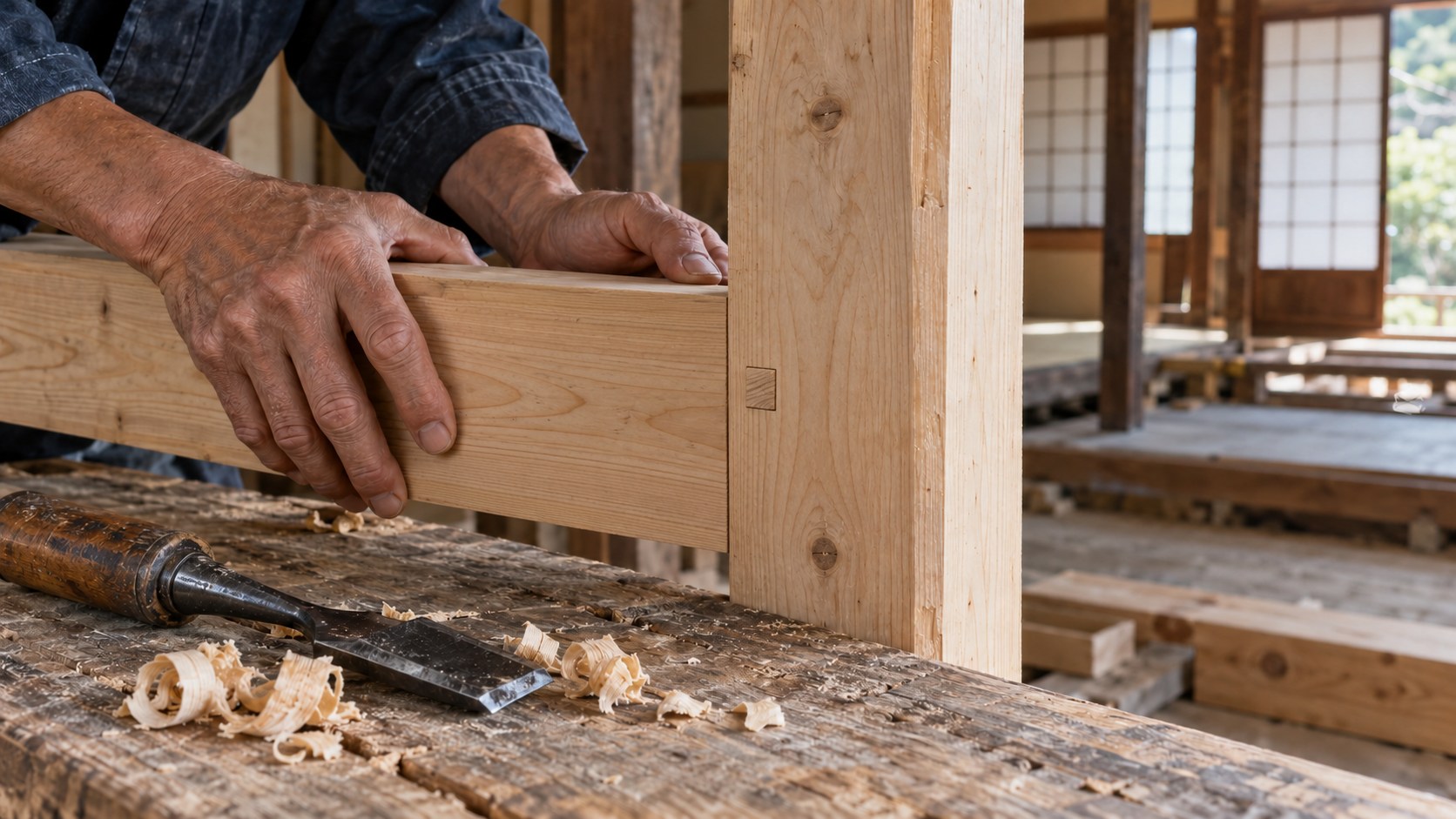
A Quick Guide to Japanese Joinery - A Japandi Story
Learn how traditional Japanese joinery helped preserve Sangenjaya Villa, an 86-year-old Tokyo house, by connecting new pieces of timber with parts of the original wooden structure that was still intact.
A Quick Guide to Japanese Joinery - A Japandi Story
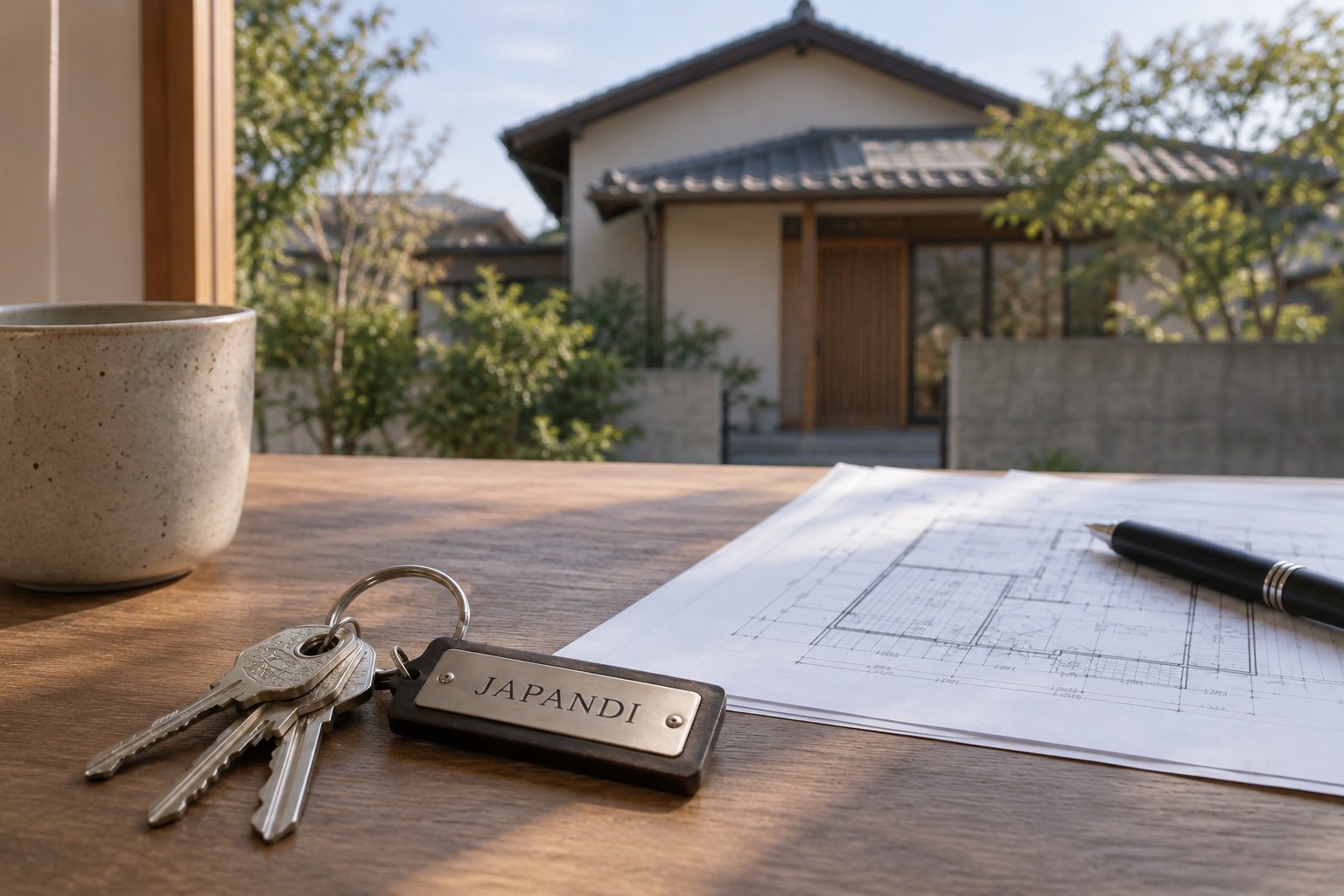
How to Buy a House in Japan as a Foreigner
A practical guide for overseas buyers looking for the right house and a clear path to buying in Japan.
How to Buy a House in Japan as a Foreigner
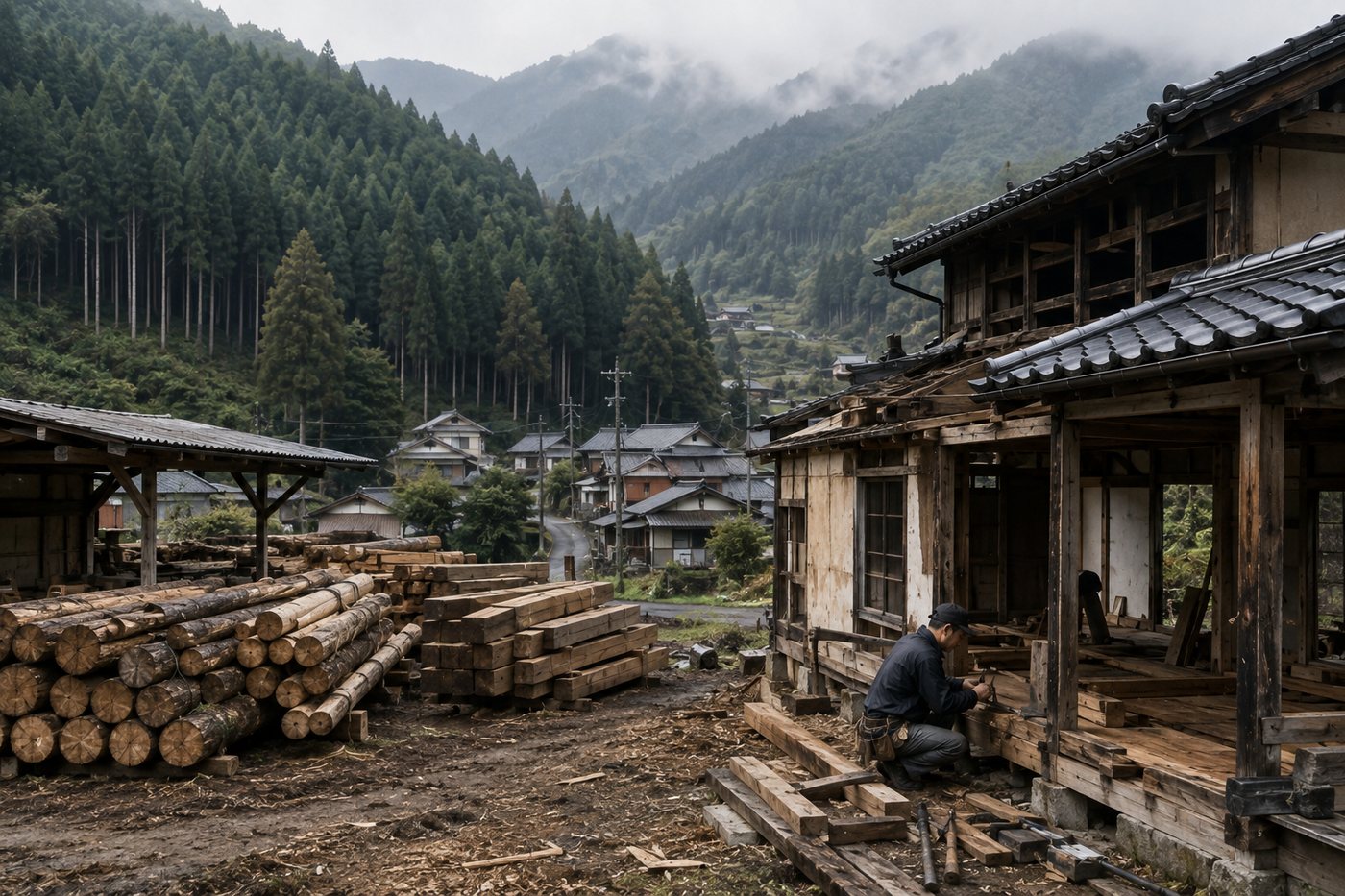
Too Many Japanese Trees, Not Enough Timber?
Japan has more forest than most countries on Earth, so why do they so heavily rely on imported wood?
Too Many Japanese Trees, Not Enough Timber?
Ready to find your home in Tokyo?
Buying and renovating a home in Tokyo can feel overwhelming from the outside — especially for international clients. We make it clear, considered, and design-led from the very first conversation.
- 01.One team guiding you through every step
- 02.A clear path from first search to final result
- 03.Homes chosen for potential, not just listings
- 04.Scandinavian design meets Japanese craftsmanship
- 05.A trusted network of architects, designers, and builders