What Does "Unrebuildable Land" Mean in Japan? (再建築不可 Explained: Understanding the Opportunities and Risks)
Explaining Tokyos Ultra Cheap Properties, Non-Rebuildable Structures

.webp)
Yesterday, I toured a house in one of Tokyo's most popular neighborhoods: Shimokitazawa.
It wasn't large. Just 45 square meters of aging timber construction tucked away on a quiet residential street. The house needed significant renovation, but it had something many Tokyo properties lack: incredible natural light.
The asking price?
Just ¥25 million, approximately $160,000 USD.
For freehold land and a detached house in one of Tokyo's most desirable residential areas, that sounds almost too good to be true.
And often, it is.
If you've ever browsed Japanese property websites and come across a surprisingly cheap house, there's a good chance you've encountered a property classified as 再建築不可 (Saikenchiku Fuka) — literally, "unrebuildable."
These properties are one of the most misunderstood segments of the Japanese real estate market.
For some buyers, they represent incredible opportunities.
For others, they can become very expensive mistakes.
What Is an Unrebuildable Property?
In simple terms, an unrebuildable property is a property where the existing building can remain, be repaired, and often be renovated, but cannot legally be demolished and rebuilt.
The most common reason is road access.
Under Japan's Building Standards Act, a building lot generally must have at least two meters of frontage on a road recognized under the law.
Many older homes were built before modern regulations came into effect, or on roads that no longer qualify under today's rules.
As a result, the house in most cases remains legal.
But if it is demolished, a new building permit may not be issued.
In other words, once the building is gone, the right to build may disappear with it.
Why Are They So Cheap?
The answer is simple:
Future uncertainty.
When most buyers purchase a property, they are not only buying the existing structure.
They are also buying the right to redevelop the land in the future.
With an unrebuildable property, that future option may not exist.
As a result, market values can fall dramatically.
It is not uncommon for unrebuildable properties to trade at discounts of 50% to 80% compared to similar rebuildable properties nearby.
In some cases, two neighboring lots may appear almost identical.
One may be worth ¥80 million.
The other may be worth ¥30 million.
The difference is not the house.
It's the legal ability to build a new one.
The Regulation That Changed Everything
Many of these properties became unrebuildable when Japan modernized its building regulations.
What was once considered a perfectly acceptable building lot suddenly failed to meet updated requirements for road access, safety, or urban planning standards.
From an owner's perspective, the impact could be devastating.
Imagine owning a family property for decades only to discover that, under modern regulations, rebuilding would no longer be permitted.
In practical terms, a significant portion of the property's value could disappear overnight.
The house itself didn't change.
The land didn't move.
Only the rules changed.
The Akiya Connection
Many of Japan's famous akiya — vacant and abandoned homes — fall into this category.
When owners inherit an old property, they may discover that renovation costs are high, financing is difficult, and rebuilding is impossible.
As a result, some properties are simply abandoned.
This is one reason foreigners occasionally find houses advertised for surprisingly low prices.
The headline price may look attractive.
The legal restrictions often tell a different story.
Wakeari Bukken: Properties With a Reason
In Japan, you may also hear the term 訳あり物件 (wakeari bukken).
This roughly means "a property with a reason."
That reason can vary.
Some properties are wakeari because they are unrebuildable.
Others may have legal complications, difficult access, old structures, land lease issues, structural problems, stigma, tenant issues, or other conditions that make them harder to sell.
Not all wakeari properties are bad.
But they all require careful investigation.
The opportunity is rarely in buying something cheap.
The opportunity is in understanding why it is cheap.
Can You Still Renovate One?
In many cases, yes.
This is where things become interesting.
Most unrebuildable properties can still be:
- Renovated
- Repaired
- Modernized
- Extended internally
- Used as residences
- Operated as rental properties, subject to local regulations
For buyers focused on living in or operating the existing structure, these properties can offer significant value.
Many investors and homeowners have successfully transformed old unrebuildable houses into beautiful homes.
The key is understanding exactly what is and isn't permitted before purchasing.
I have even seen experienced developers build brand new houses on non-rebuildable land with the help and support from local municipalities. Last month I toured a brand new build built by a smaller developer in Hatagaya. they had worked together with the building division in Shibuya-ku to rebuild this unrebuildable structure after a fire struck the old vacant house.
The permits took about a year and the house sold the same weekend I toured it.
Up until the renovation laws that came into place in april 2025, the rules for doing interior renovations was more lenient, now strict. but with Japans big problem with the amount of Akiyas, even in central locations, creative renovations are still possible.
The Financing Challenge
Another reason prices remain low is financing.
In most cases, Japanese banks will not lend against unrebuildable properties.
From the bank's perspective, the redevelopment potential is limited, the resale market is smaller, and the collateral is more difficult to evaluate.
That means a cash purchase is often necessary.
This is also why buyers have more leverage.
In many cases, you are not simply buying a cheap property.
You are taking a liability off the owner's chest.
The owner may have inherited the house, struggled to sell it, or faced years of maintenance, taxes, and uncertainty. A cash buyer who understands the risks can sometimes solve a real problem for the seller.
That said, financing is not impossible in every case.
There are exceptions.
We have personally purchased saikenchiku fuka properties using loans through banks and lenders such as SMBC, Saison, and smaller local banks.
However, these cases are highly dependent on the property, borrower, bank relationship, and overall deal structure. Buyers should not assume financing will be available.
For most people, the safest assumption is simple:
If you are looking at a saikenchiku fuka property, be prepared to buy in cash.
The Real Opportunity
The biggest opportunity with unrebuildable land is not always the property itself.
Sometimes, the real opportunity is what can happen later.
For example, a small unrebuildable house may sit behind another property that has proper road access.
Today, your property cannot be rebuilt.
But if, a few years later, you are able to purchase the neighboring house or land with road access, the situation may change completely.
Suddenly, two difficult properties can become one valuable site.
This is not guaranteed.
It requires patience, relationships, timing, and sometimes luck.
But in Tokyo, where land is fragmented and many properties are owned by families for generations, long-term neighborhood relationships matter.
If you treat your neighbors well, improve the area, and create value rather than problems, opportunities can appear over time.
In Japan, real estate is not only about numbers.
It is also about trust.
Opportunity or Trap?
The answer depends entirely on your goals.
If your dream is to buy a property, demolish it, and build a brand-new house, an unrebuildable property may be a terrible purchase.
If, however, you love the existing structure, understand the legal limitations, and plan to renovate rather than rebuild, these properties can offer access to neighborhoods that would otherwise be far beyond your budget.
The house I viewed in Shimokitazawa is a perfect example.
At ¥25 million, it is difficult to imagine finding another detached home with freehold land in such a desirable location.
The low price exists for a reason.
The challenge is determining whether that reason is a deal-breaker—or an opportunity.
As with many things in Japanese real estate, the answer is rarely as simple as the listing price.
Anton Wormann is a Swedish entrepreneur, real estate investor, and founder of JAPANDI. Based in Tokyo since 2018, he has specialized in investing in and renovating undervalued Japanese properties since 2019, helping international buyers navigate Japan's real estate market.
Related Questions
What is an unrebuildable house in Japan?
An unrebuildable house is a property that cannot legally be rebuilt under current regulations, even if the existing structure remains. These can offer good value, but buyers should fully understand the restrictions before purchasing.
Which properties are difficult to mortgage in Japan?
Banks are generally more cautious with older buildings, unrebuildable houses, properties on private roads, and homes with narrow road access. Every property is assessed individually, but strong locations tend to receive more favorable financing.
What is a setback in Japanese property?
A setback is land that must be given up to widen a road before rebuilding. It reduces the usable size of the plot and can affect future development potential.
What is a private road in Japan?
Many Japanese homes are accessed via private roads. Before buying, confirm ownership, maintenance responsibilities, and legal access rights, as these can affect both value and financing.
What does zoning mean in Japan?
Zoning determines what can be built on a property and how it can be used. It affects building size, height, commercial use, and future redevelopment potential.
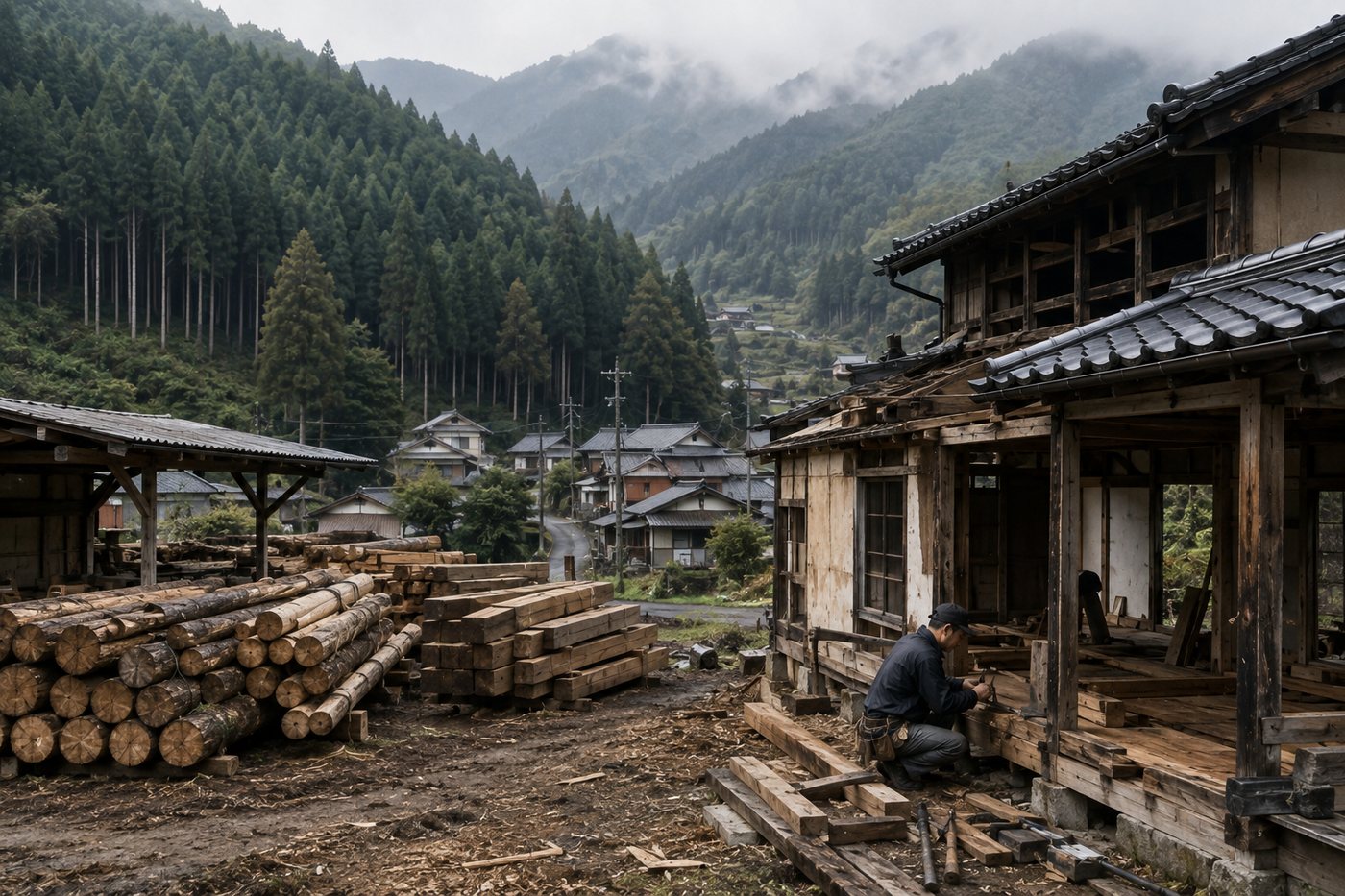
Too Many Japanese Trees, Not Enough Timber?
Japan has more forest than most countries on Earth, so why do they so heavily rely on imported wood?
Too Many Japanese Trees, Not Enough Timber?
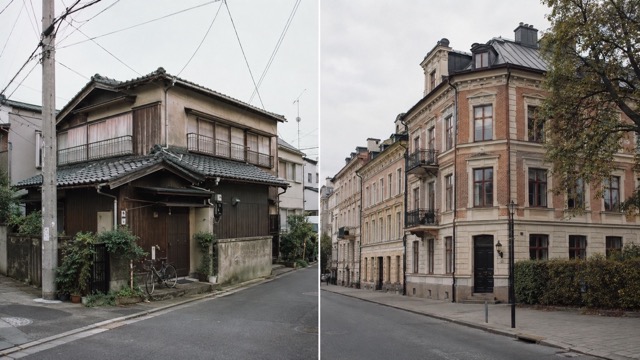
Why an Older Home in Tokyo Might Be the Smarter Buy
Older homes are gaining popularity in Tokyo, Japan
Why an Older Home in Tokyo Might Be the Smarter Buy
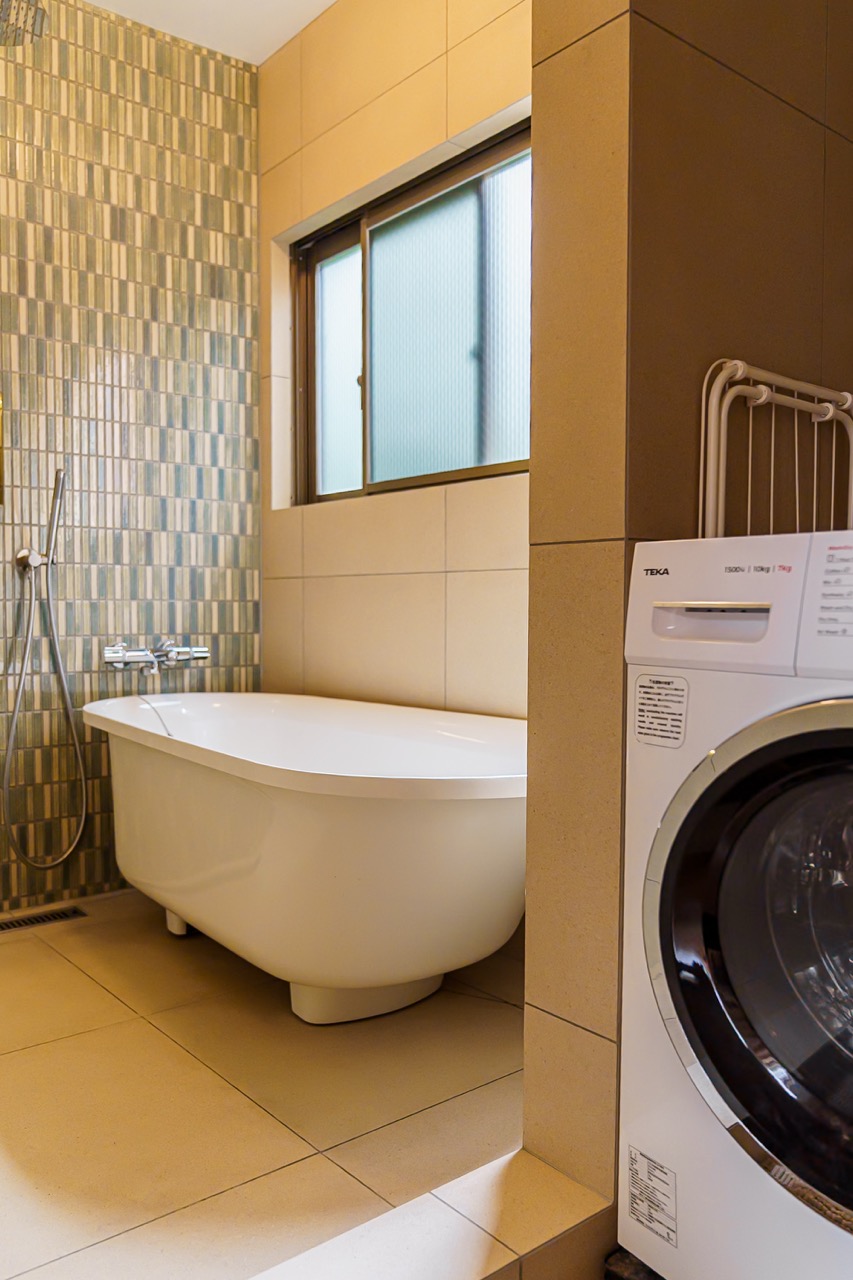
Construction Crisis in Japan: How Japanese Bathrooms Are Made
From unit baths to custom tile, here's how Japanese bathrooms are built - and what we'd recommend for your renovation.
Construction Crisis in Japan: How Japanese Bathrooms Are Made
Ready to find your home in Tokyo?
Buying and renovating a home in Tokyo can feel overwhelming from the outside — especially for international clients. We make it clear, considered, and design-led from the very first conversation.
- 01.One team guiding you through every step
- 02.A clear path from first search to final result
- 03.Homes chosen for potential, not just listings
- 04.Scandinavian design meets Japanese craftsmanship
- 05.A trusted network of architects, designers, and builders